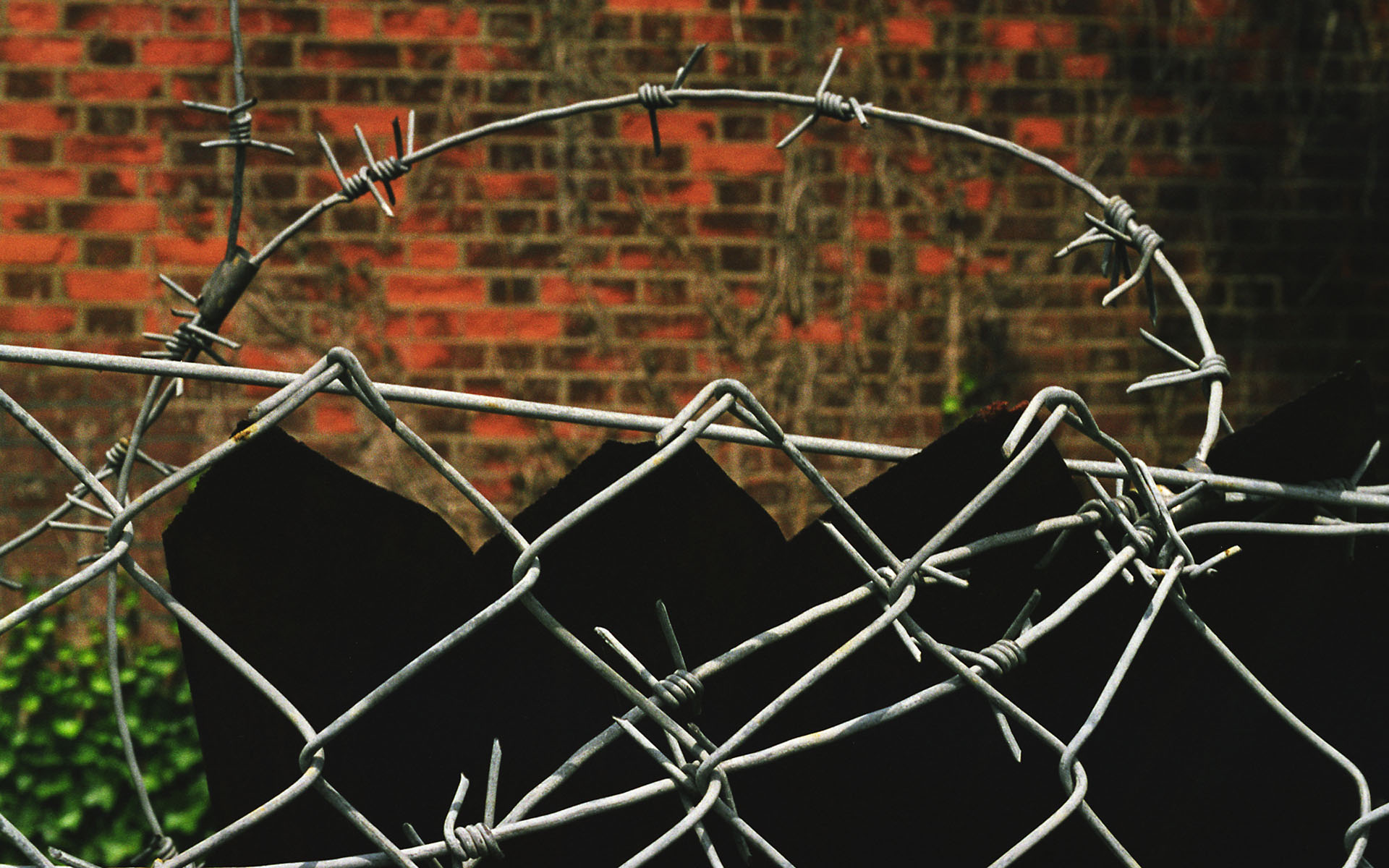
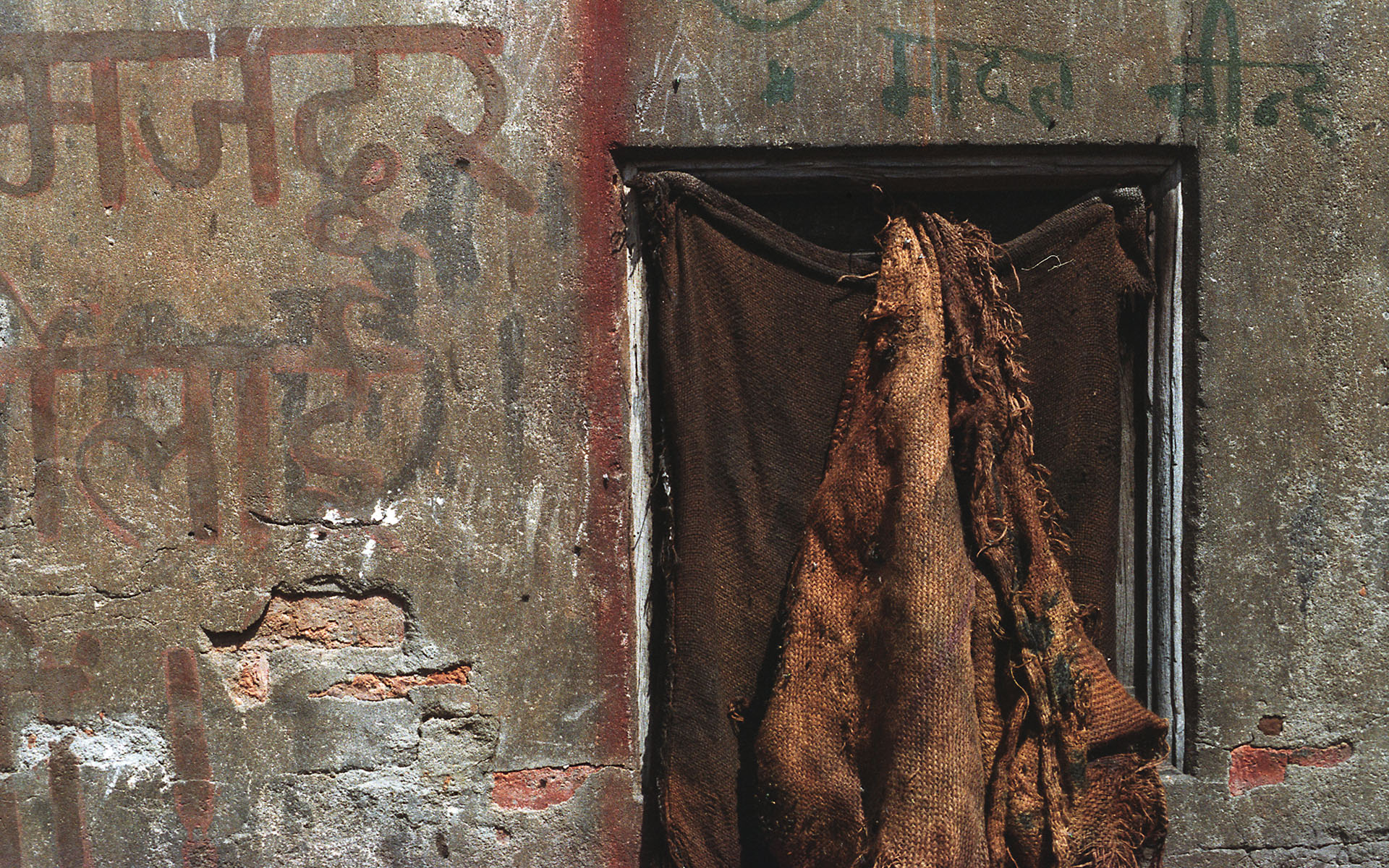
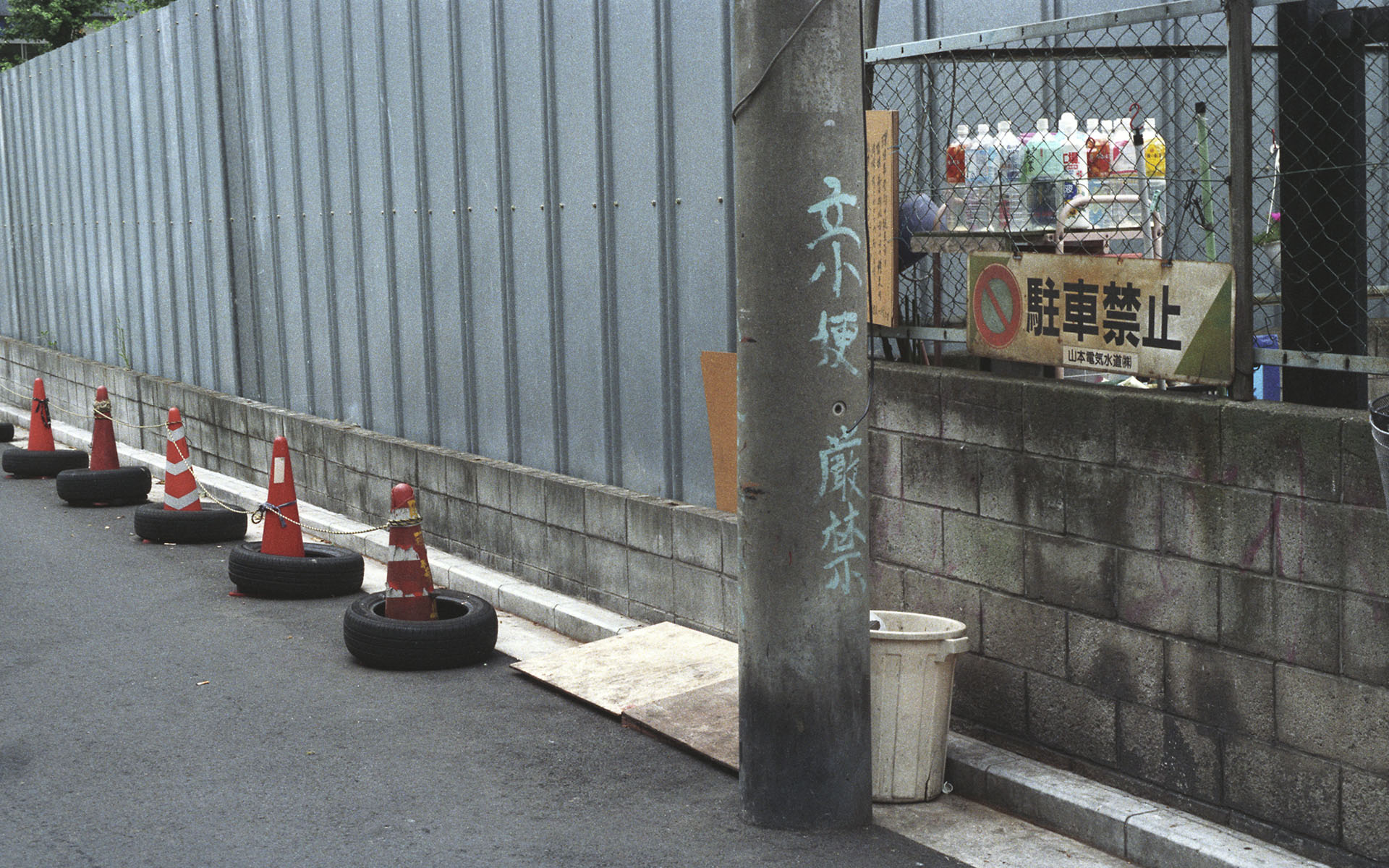
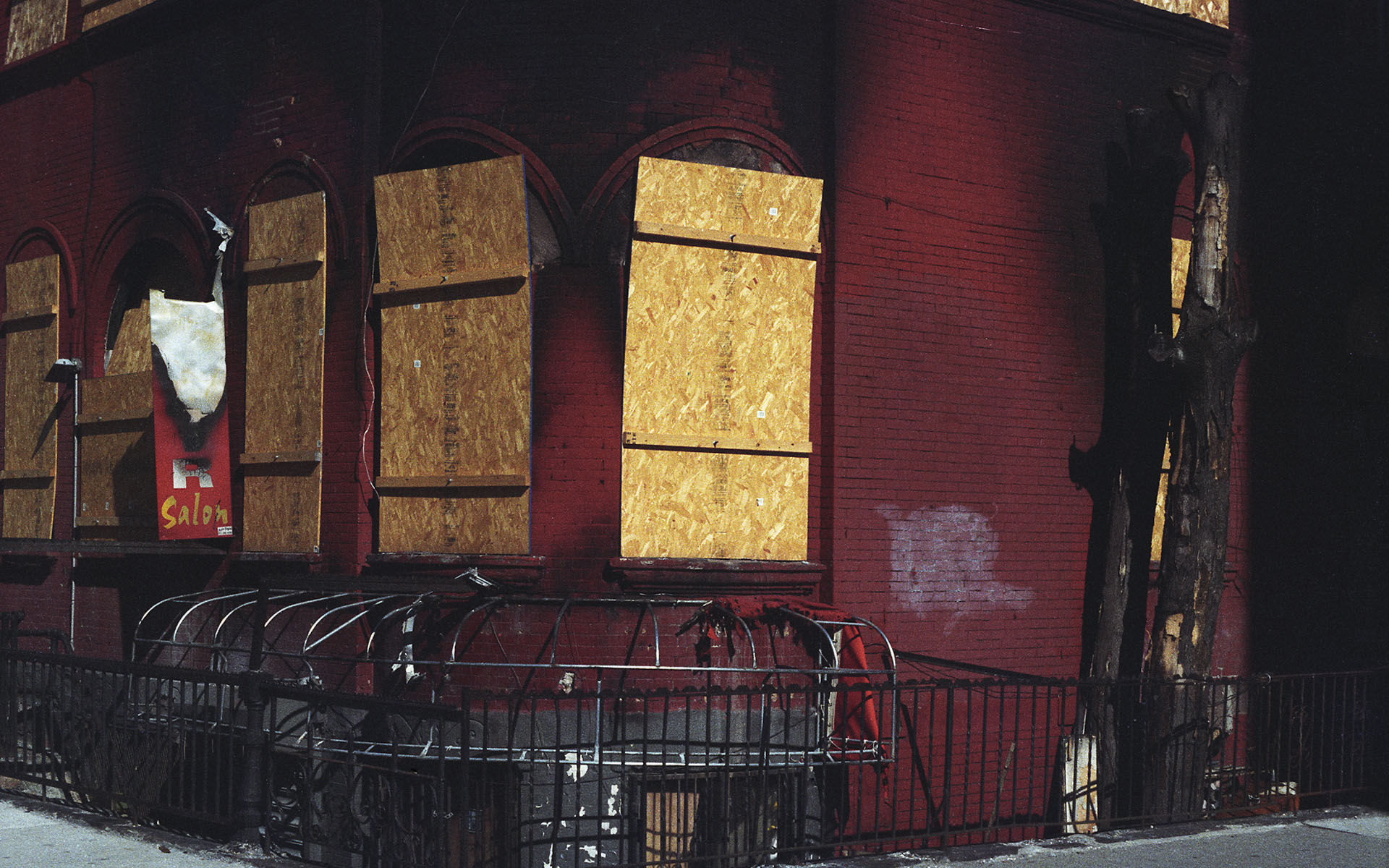
Cracked Cities was created in 2003, at a pivotal moment in the evolution of image-making and distribution technologies. The work looks both forward and backwards, emerging from a transitional period when long-established analogue practices were beginning to be challenged by the still-immature possibilities of digital media.
Having spent over a decade working with celluloid film, darkroom printing, and slide and film projection as primary modes of presentation, this project was shaped by an intimate familiarity with analogue protocols. At the same time, digital tools were beginning to offer new ways to reach audiences — though not yet without significant limitations. Internet connections for most users were slow, typically reliant on dial-up modems with extremely limited bandwidth. Images on the web were generally small and low resolution, while video lagged even further behind. Compounding this, readily available digital cameras were of poor quality, often requiring film scans to achieve acceptable resolution.
Within this shifting technological frontier — always moving forward under the familiar promise of “faster and better” — Cracked Cities deliberately looked back to the romanticism of the analogue slide show. Traditional slide projection allowed for accidental missteps, mechanical noise, and a rhythm in which each image felt like a complete scene change. Without a fixed soundtrack, the appearance of each new image often prompted conversation among the audience, encouraging shared interpretation rather than passive consumption.
This ethos became central to the work. Rather than imposing a single narrative, Cracked Cities invited the audience to construct their own meaning. To support this, four different individuals were recorded interpreting the photographs, speaking freely about what they saw and felt. Short edited impressions from these recordings accompany each image, creating a layered, open-ended dialogue between image, sound, and viewer.
The analogue sensibility was reinforced sonically. The soundtrack includes the subtle hum of a fan, and each transition is punctuated by the distinctive clunk of a carousel slide advancing, grounding the digital presentation in the physicality of older projection technologies.
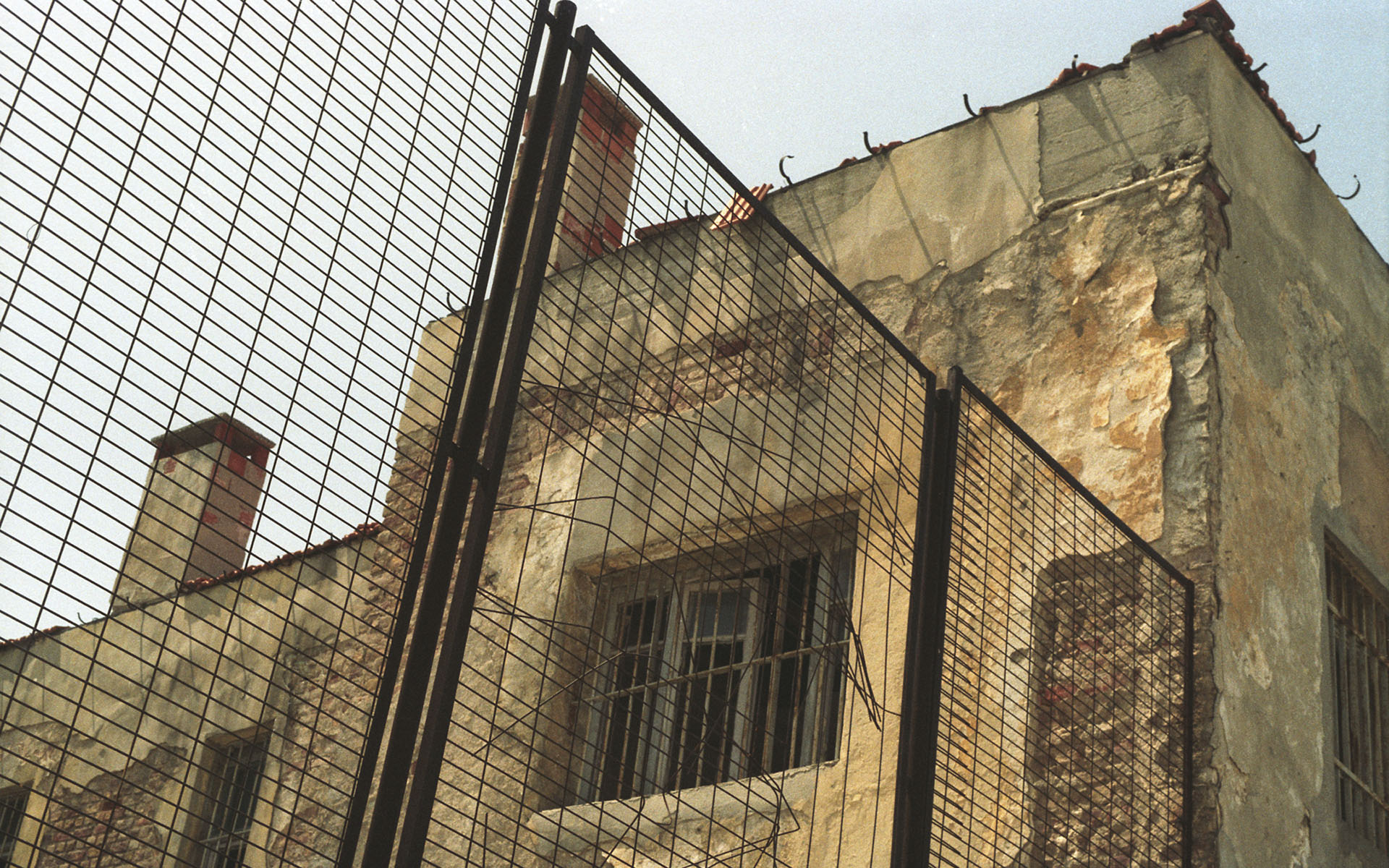
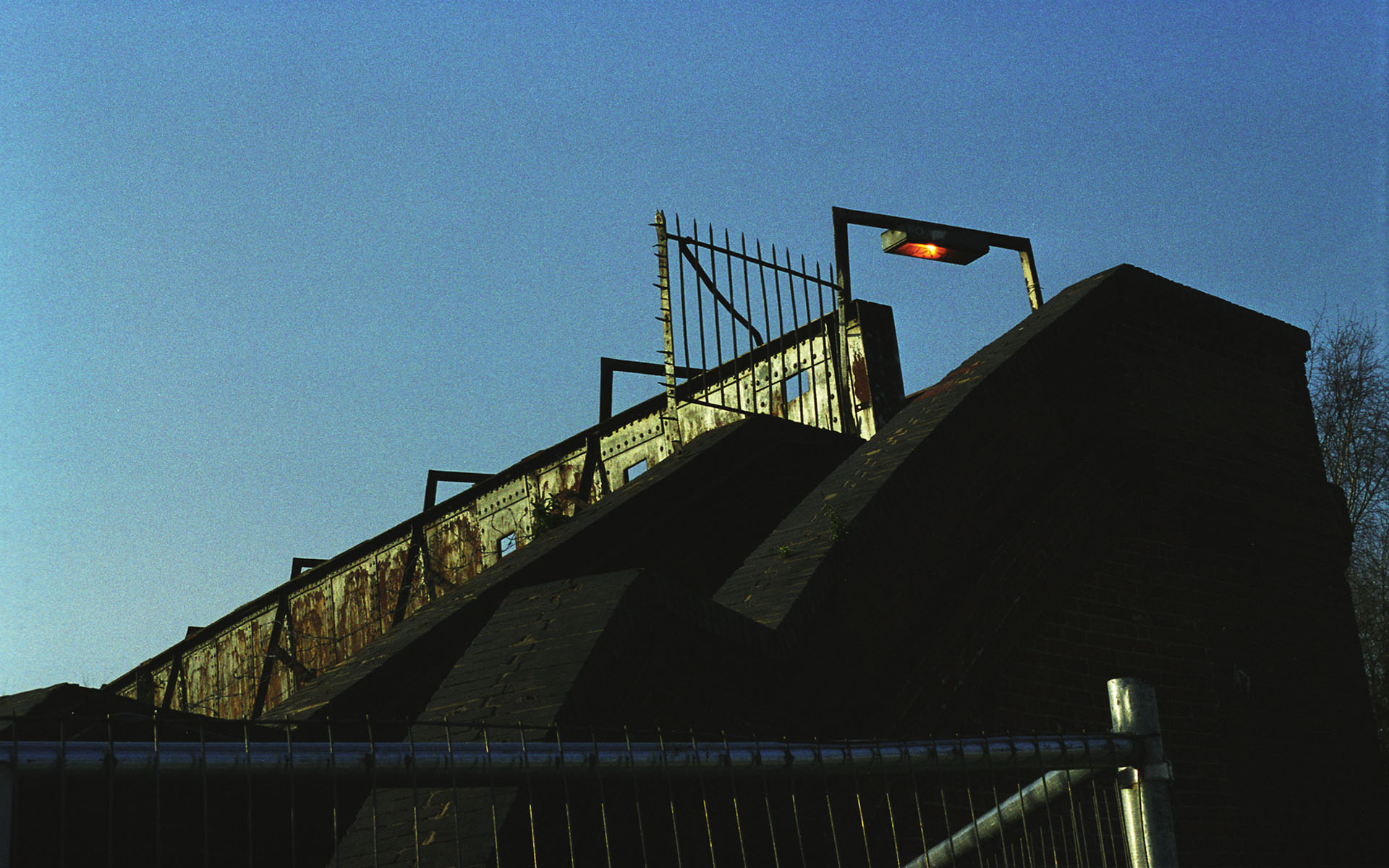
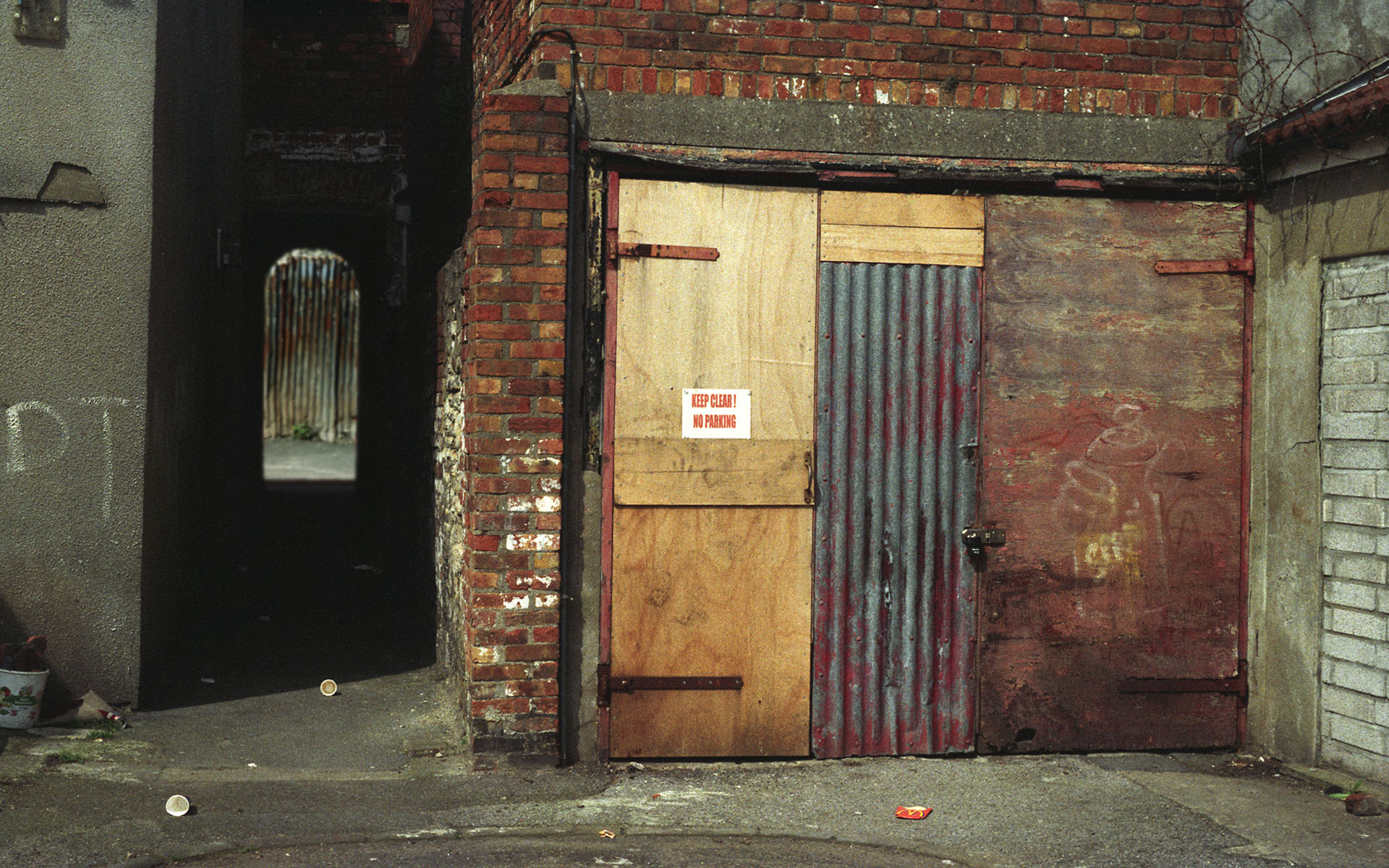
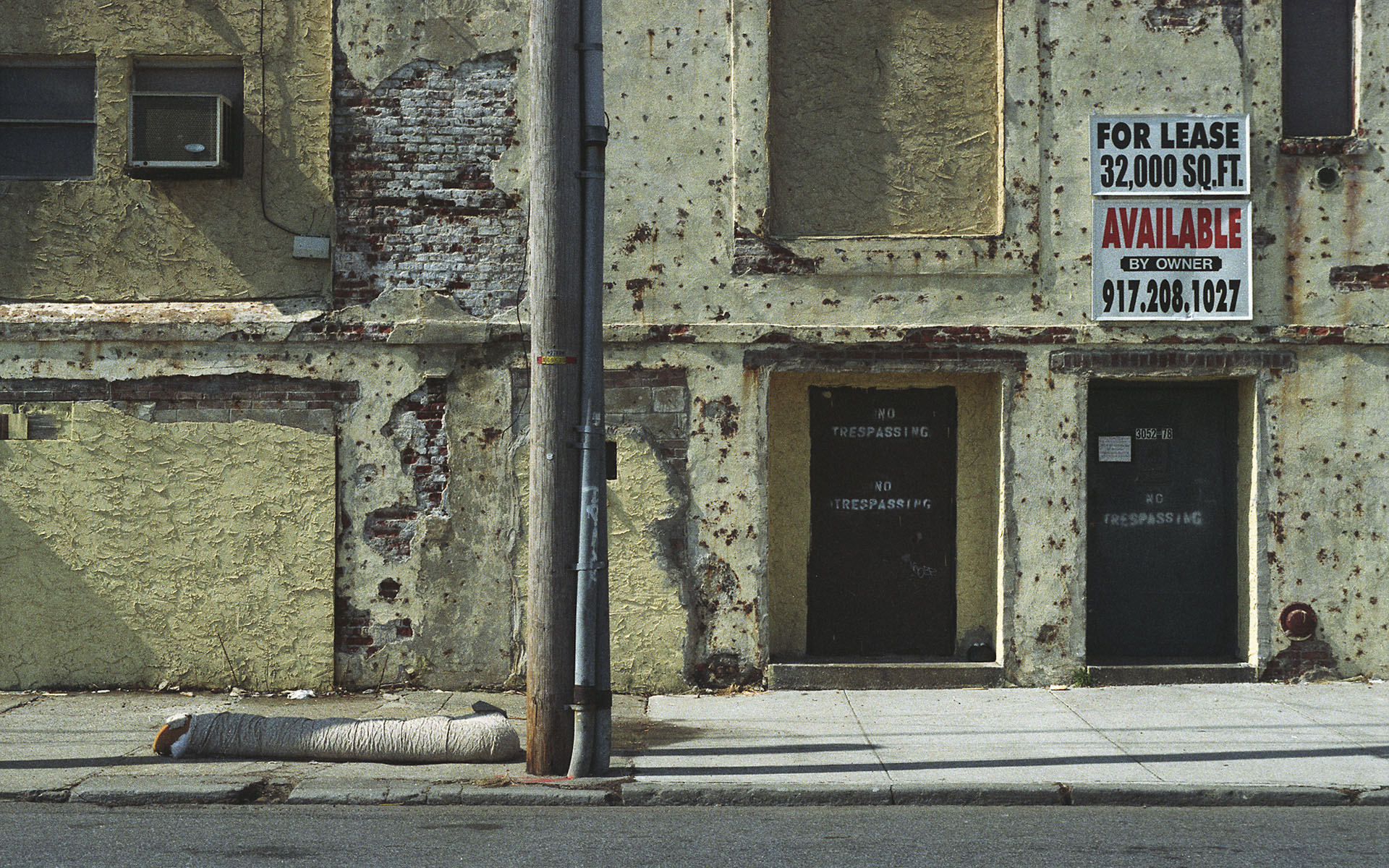
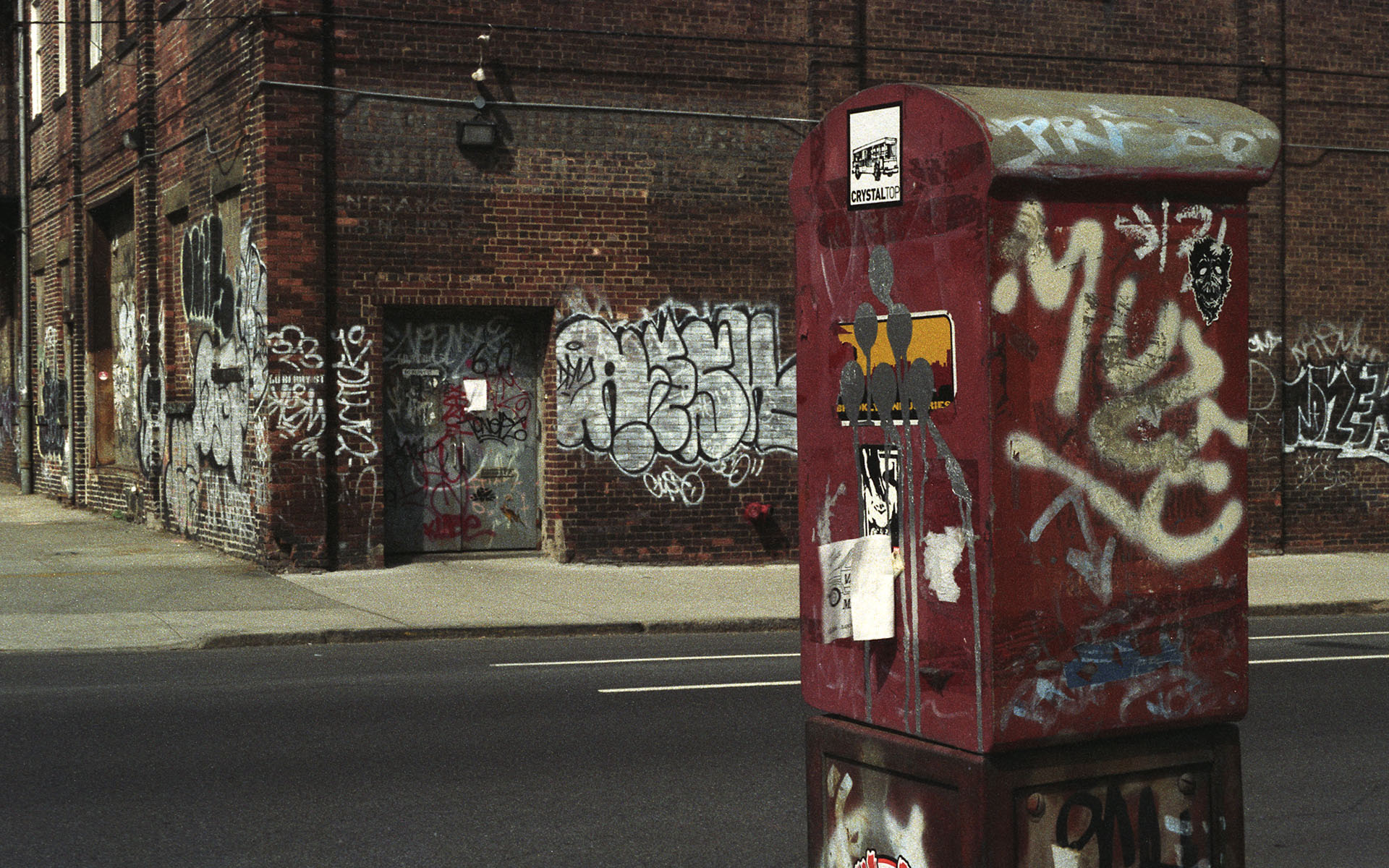
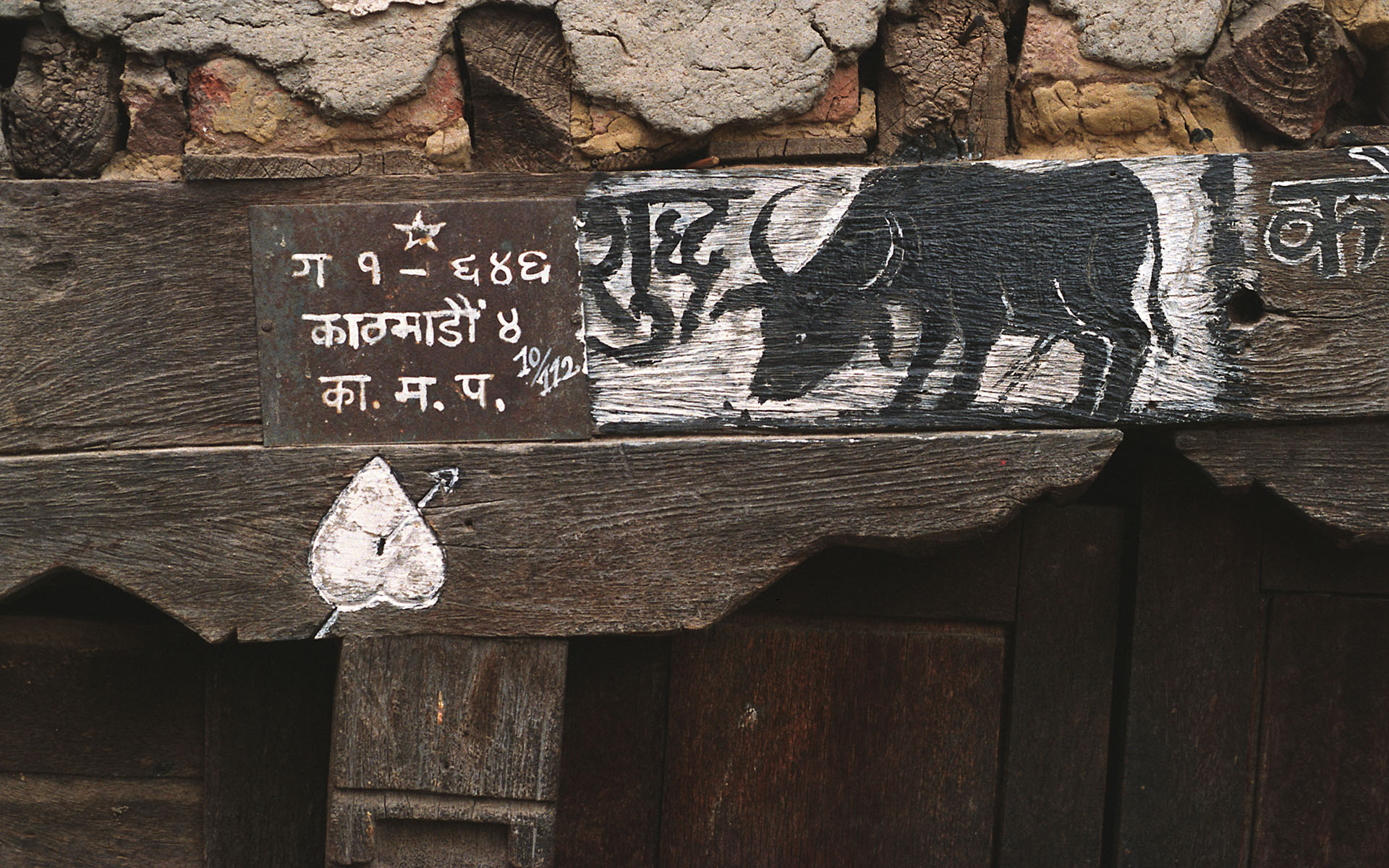
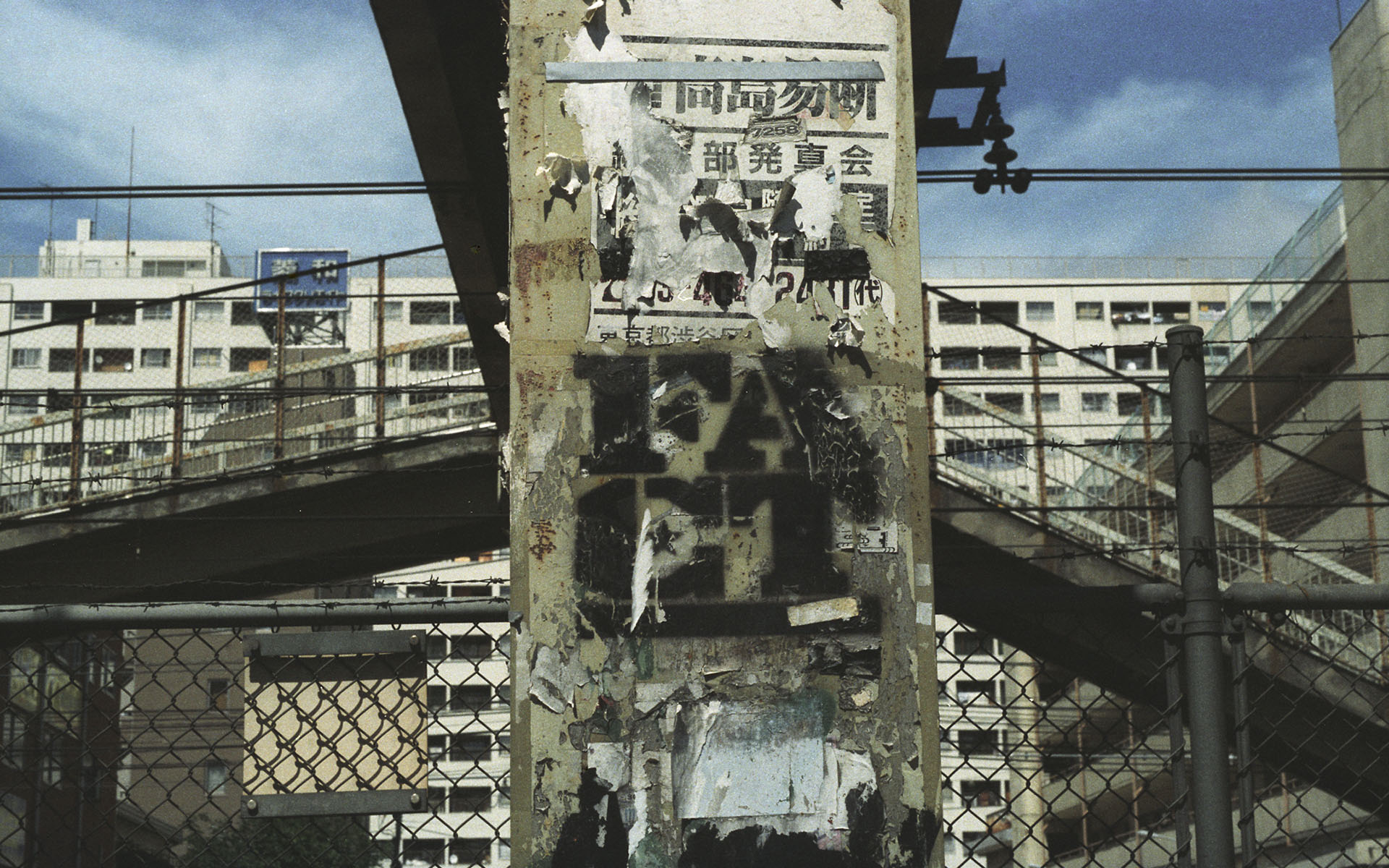
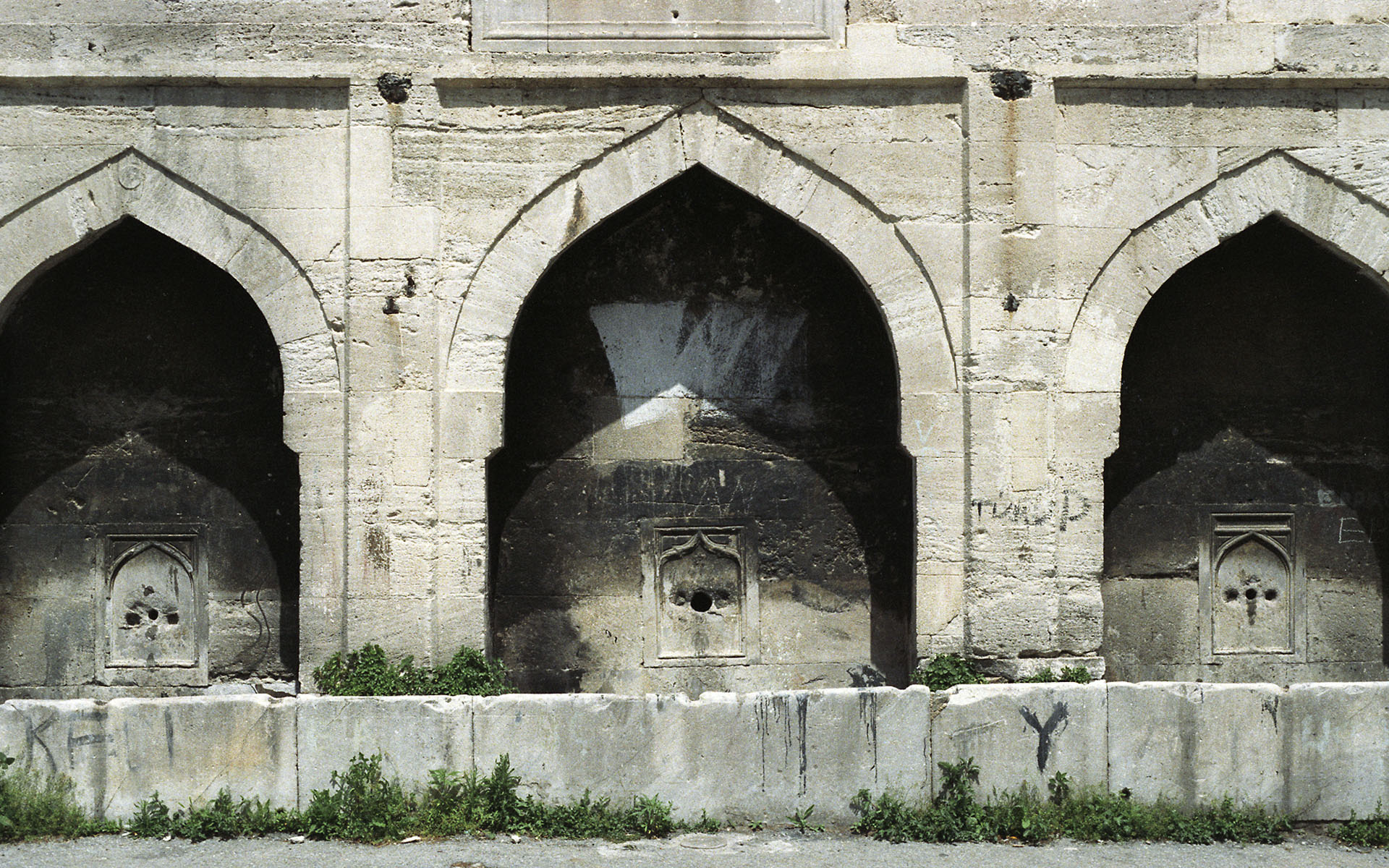
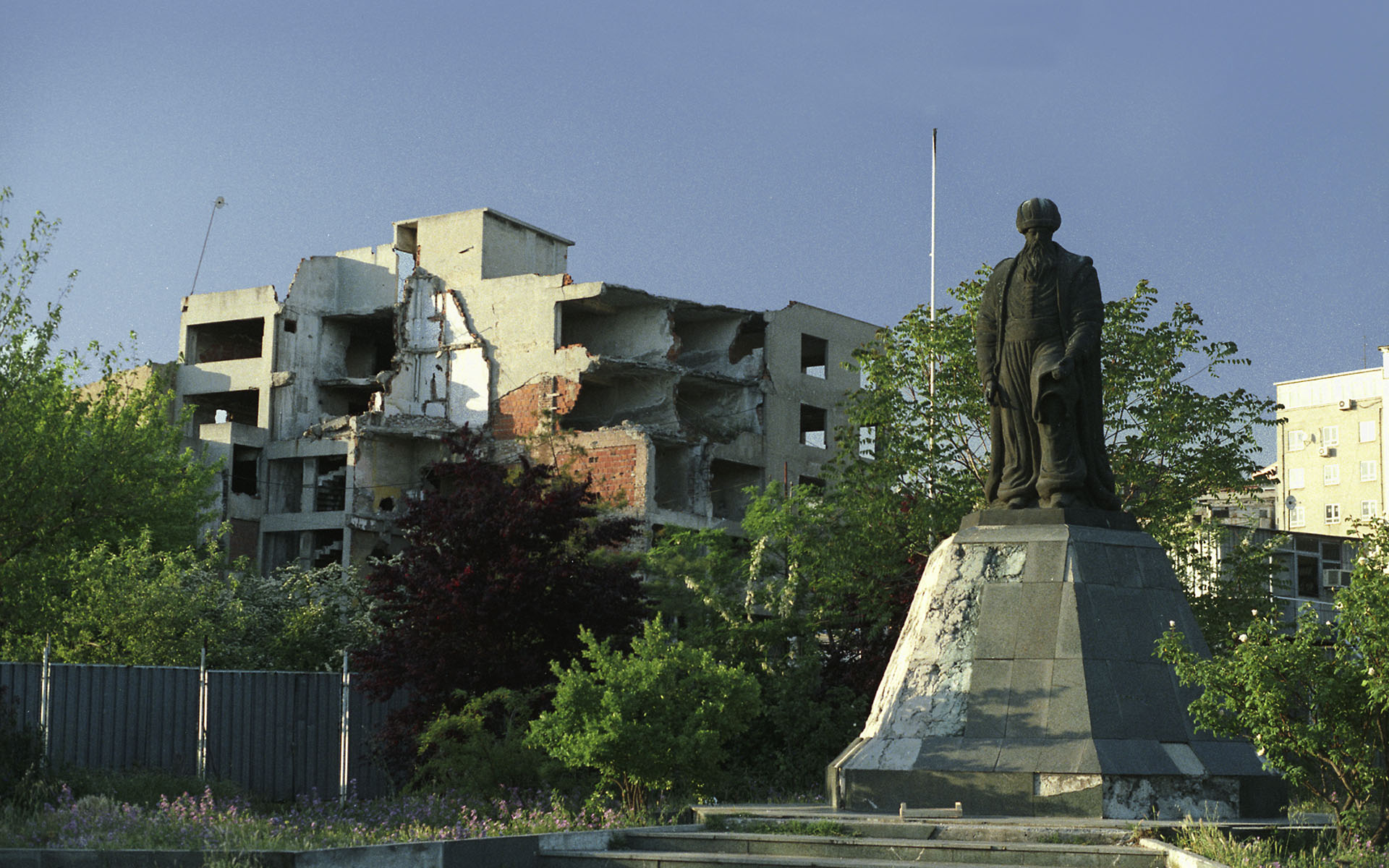
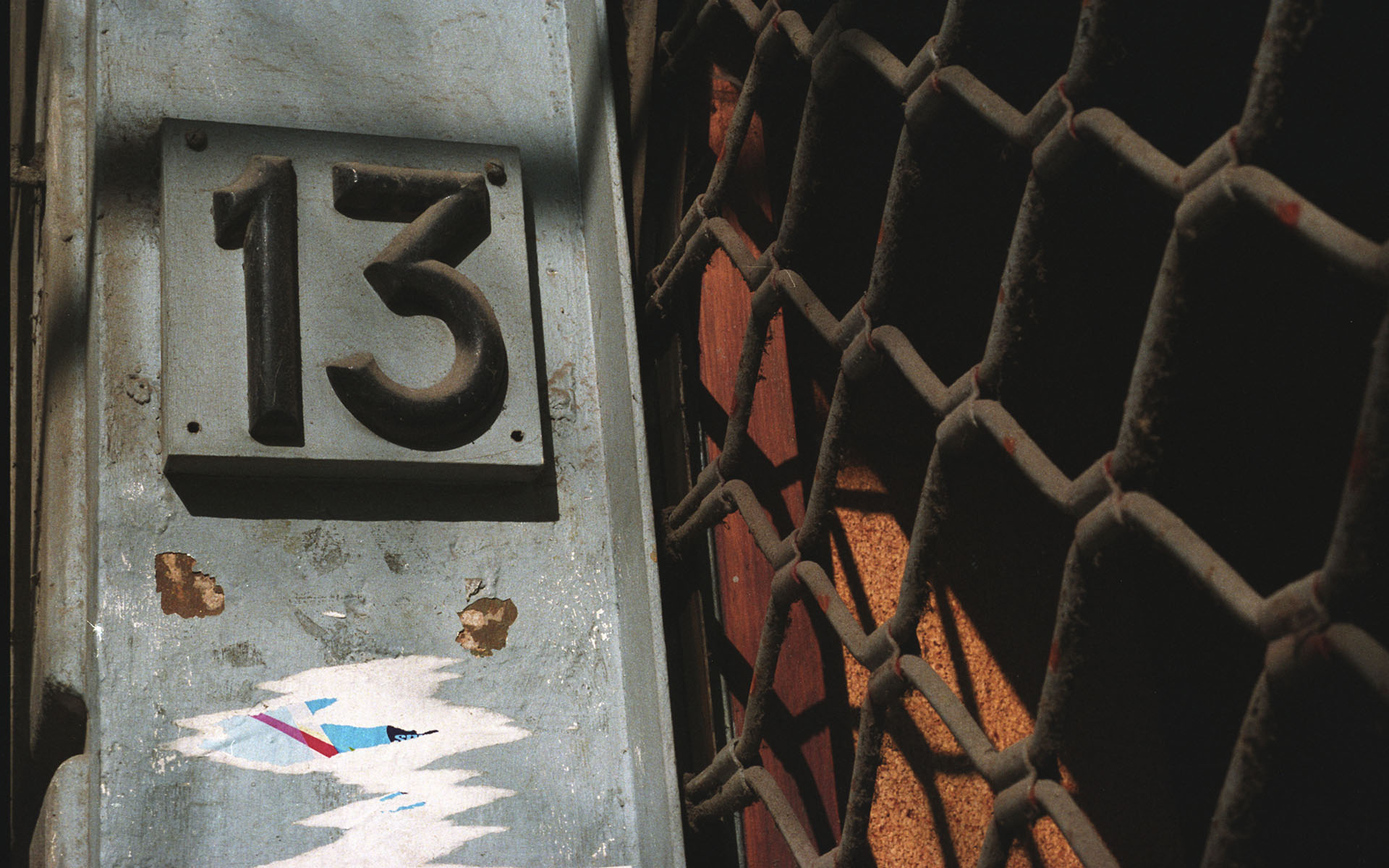
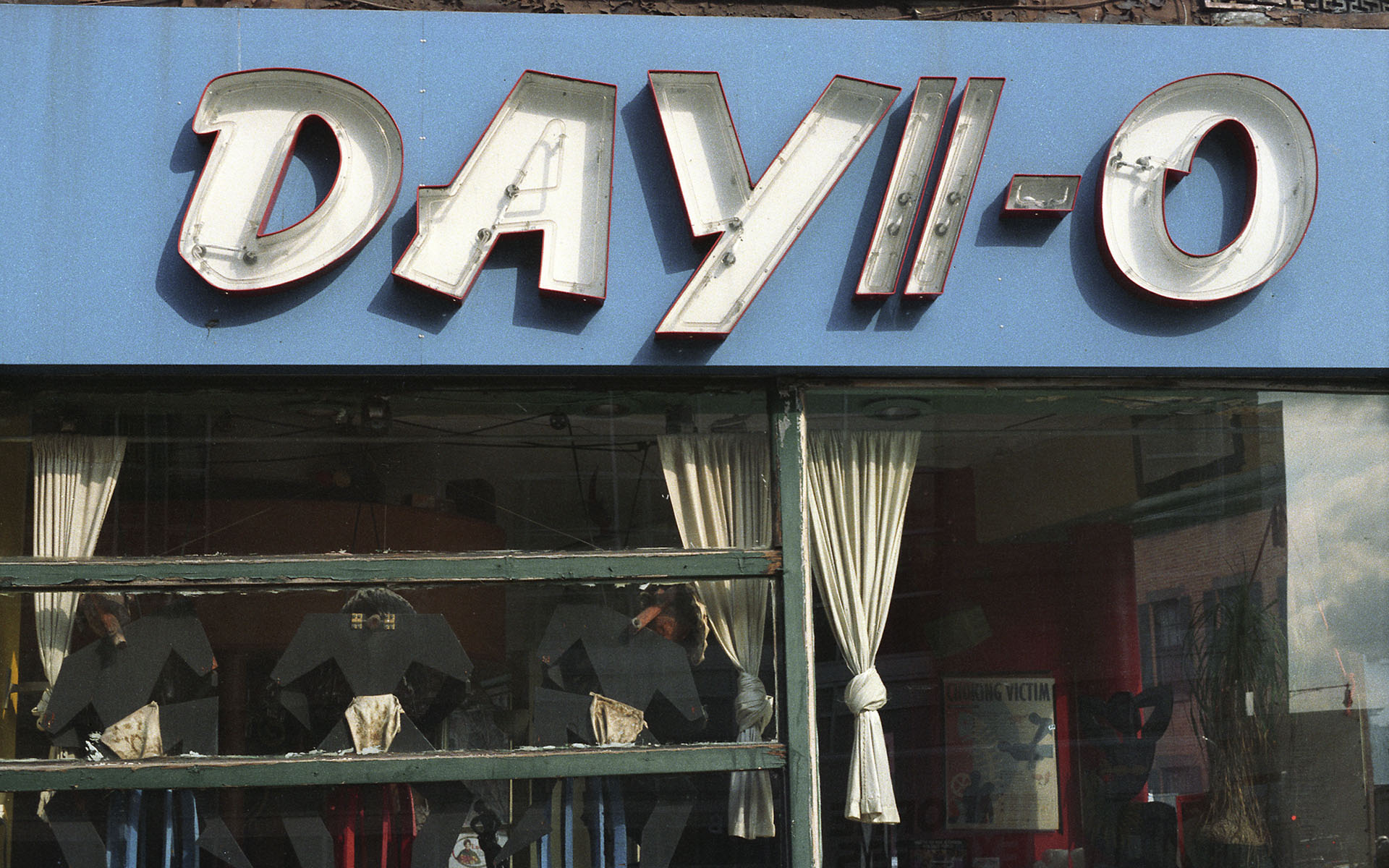
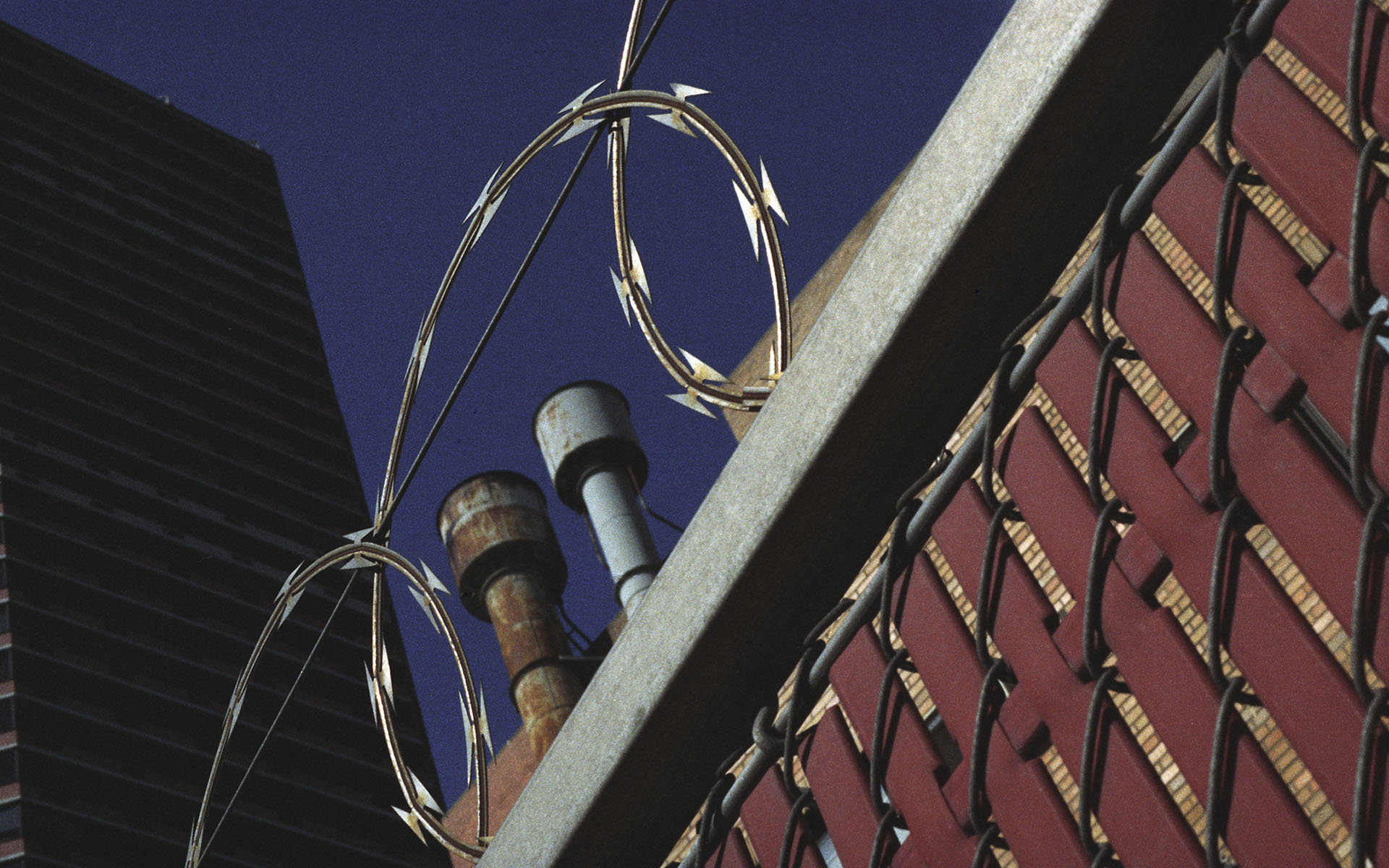
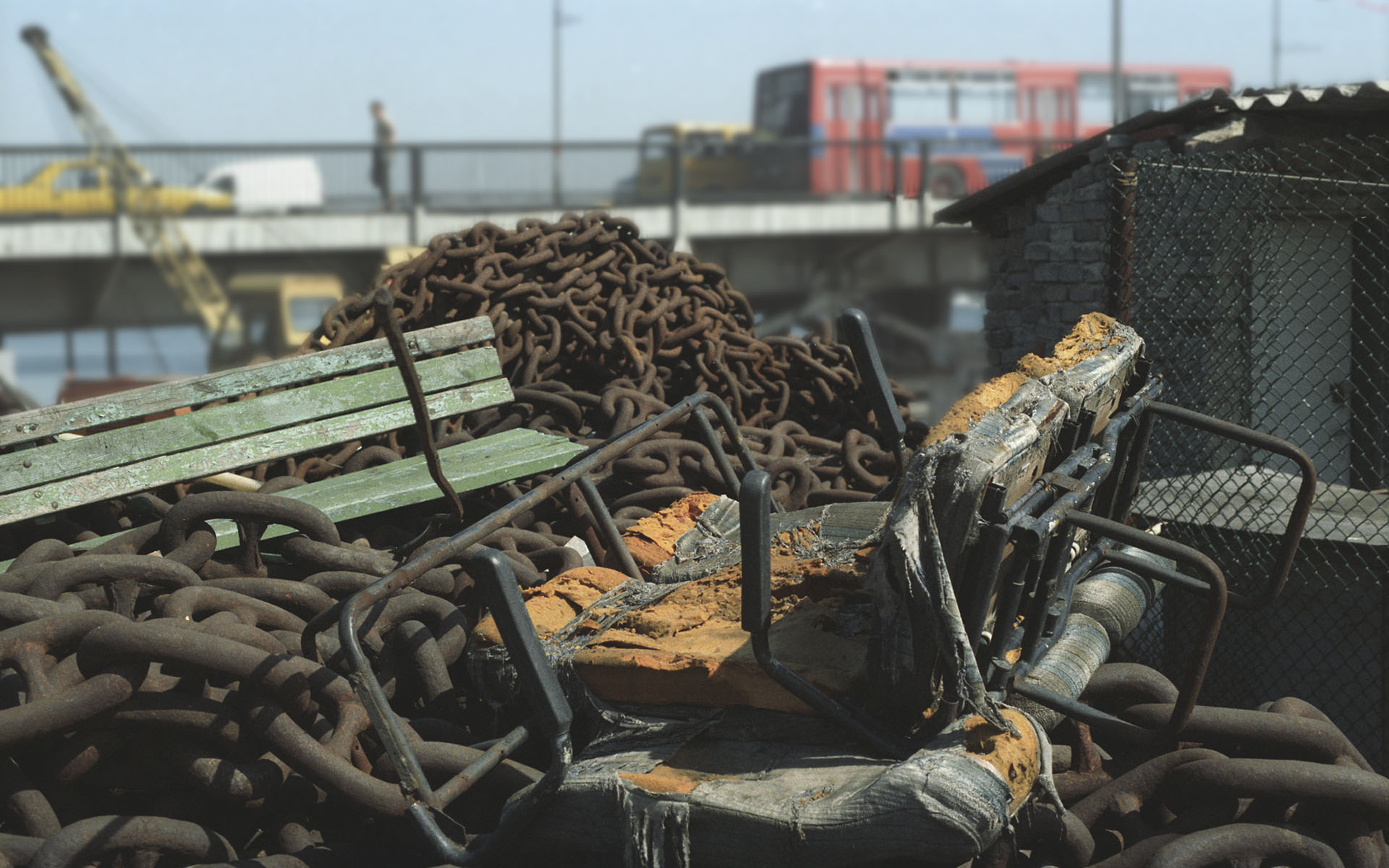
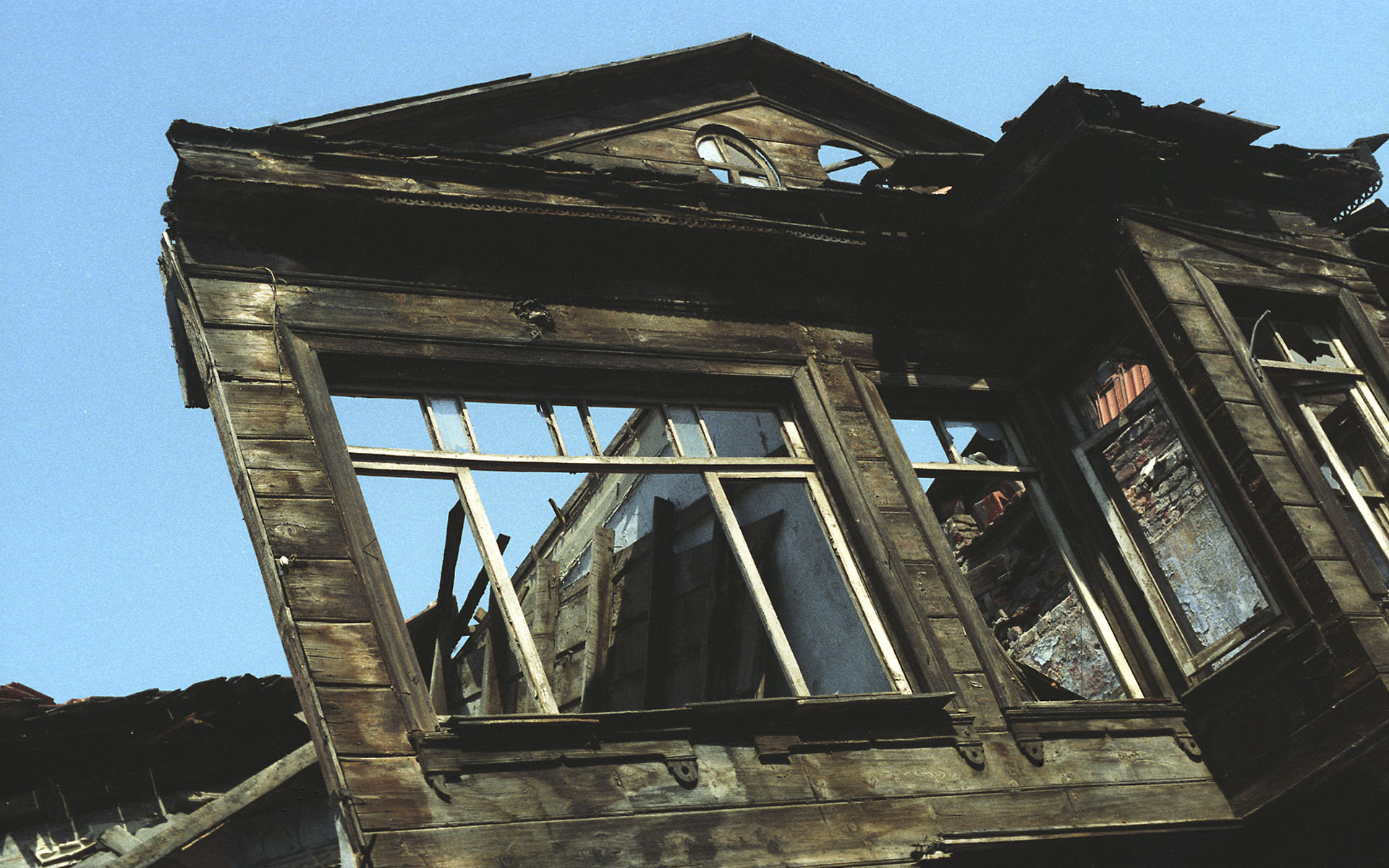
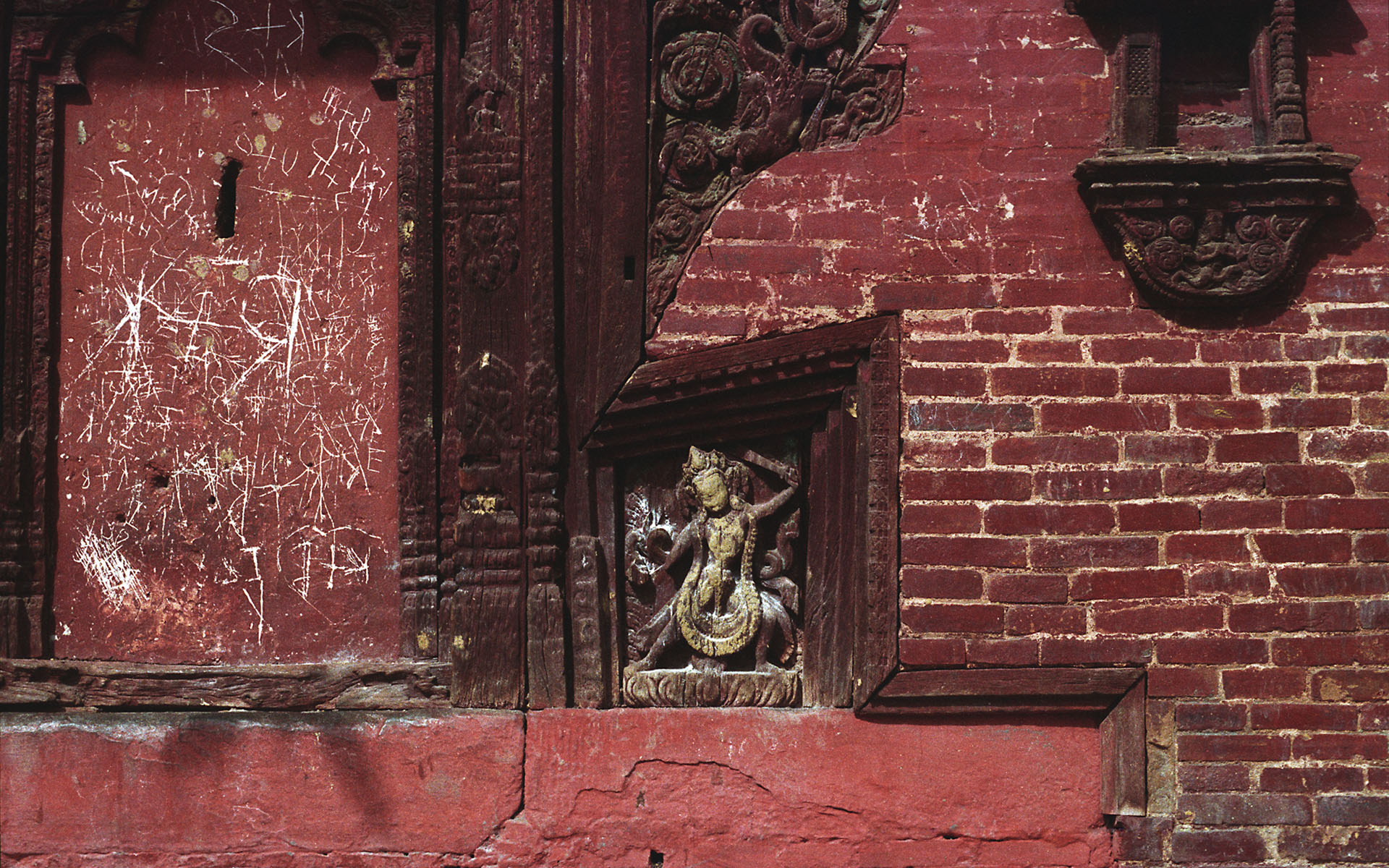
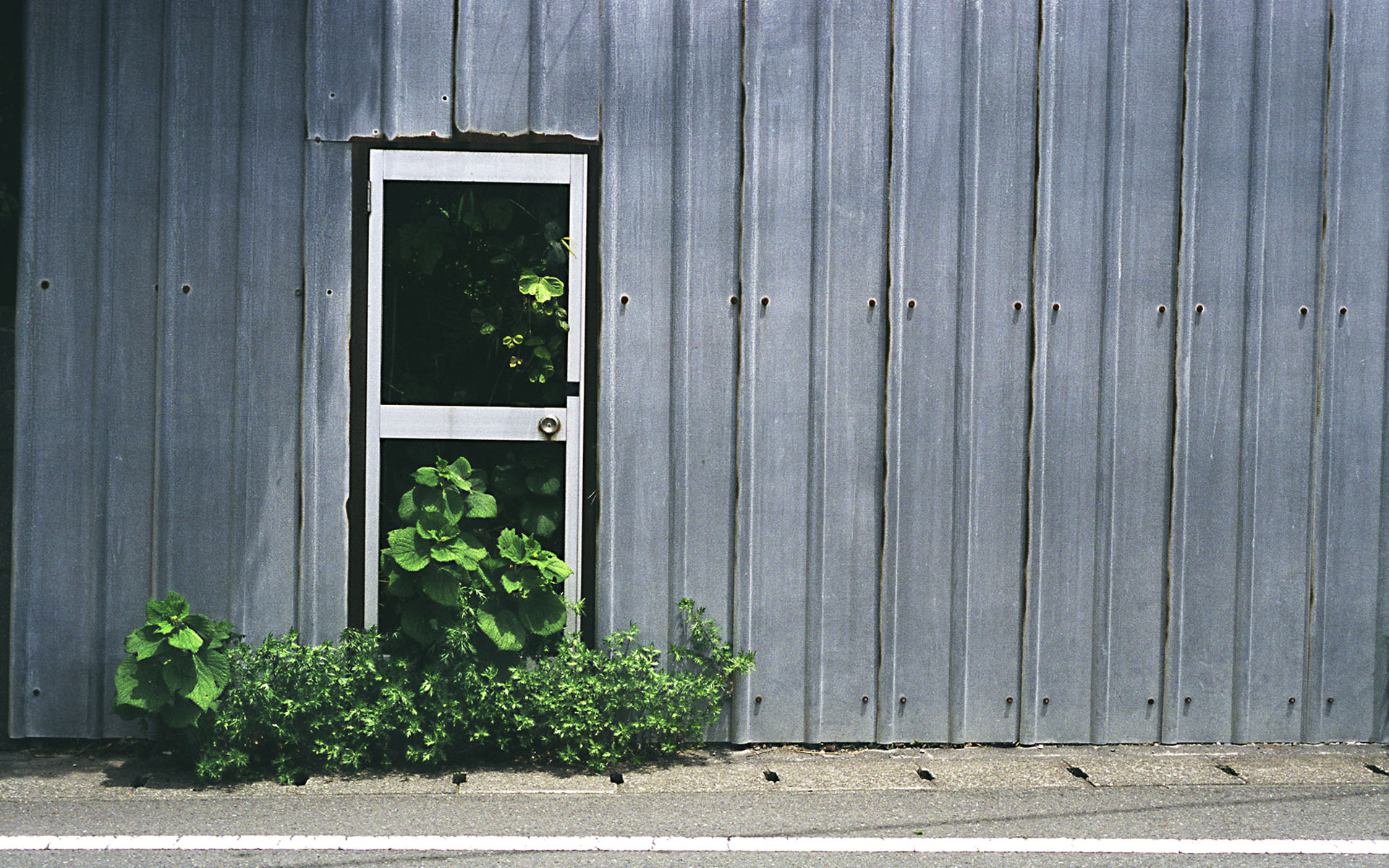
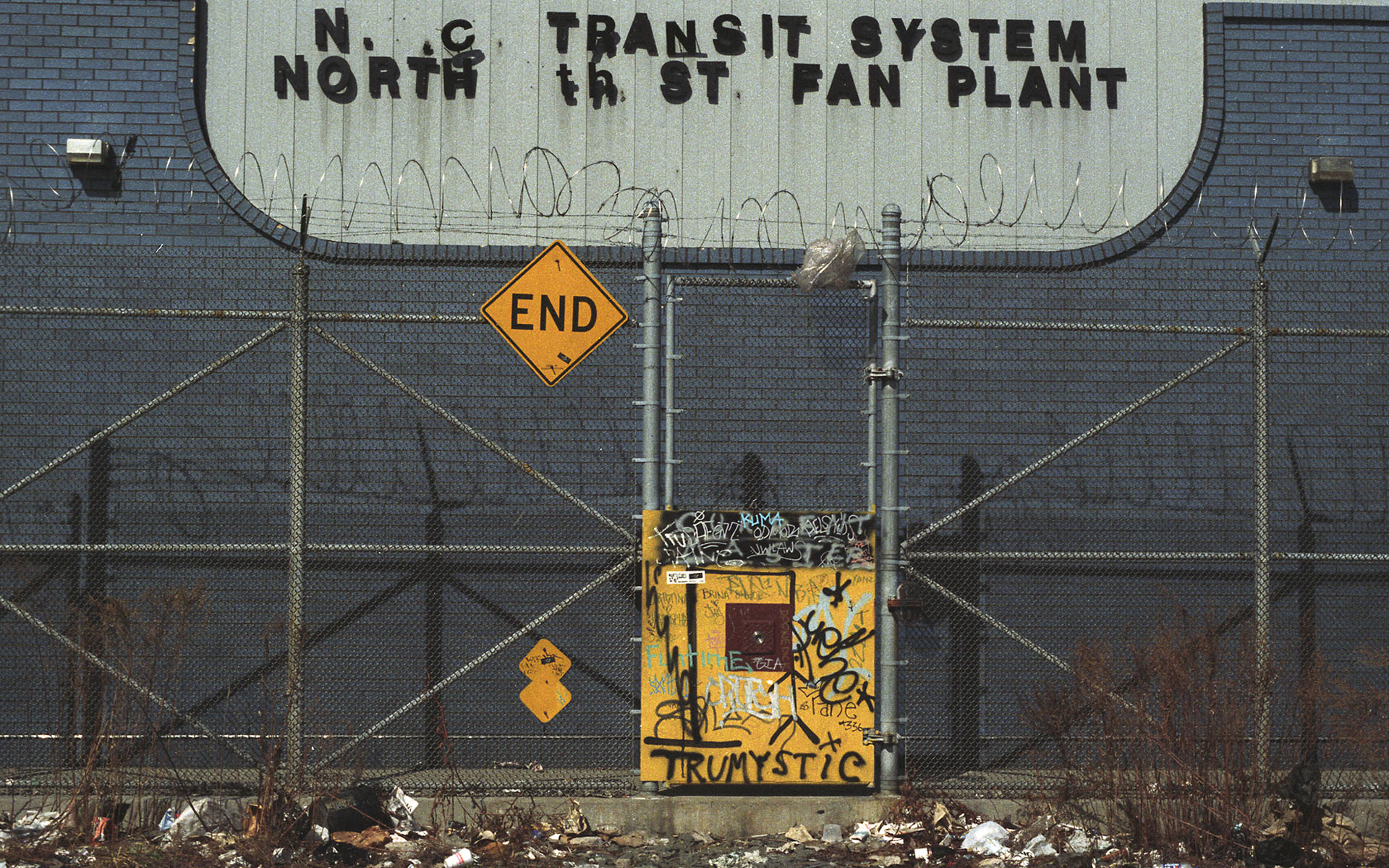
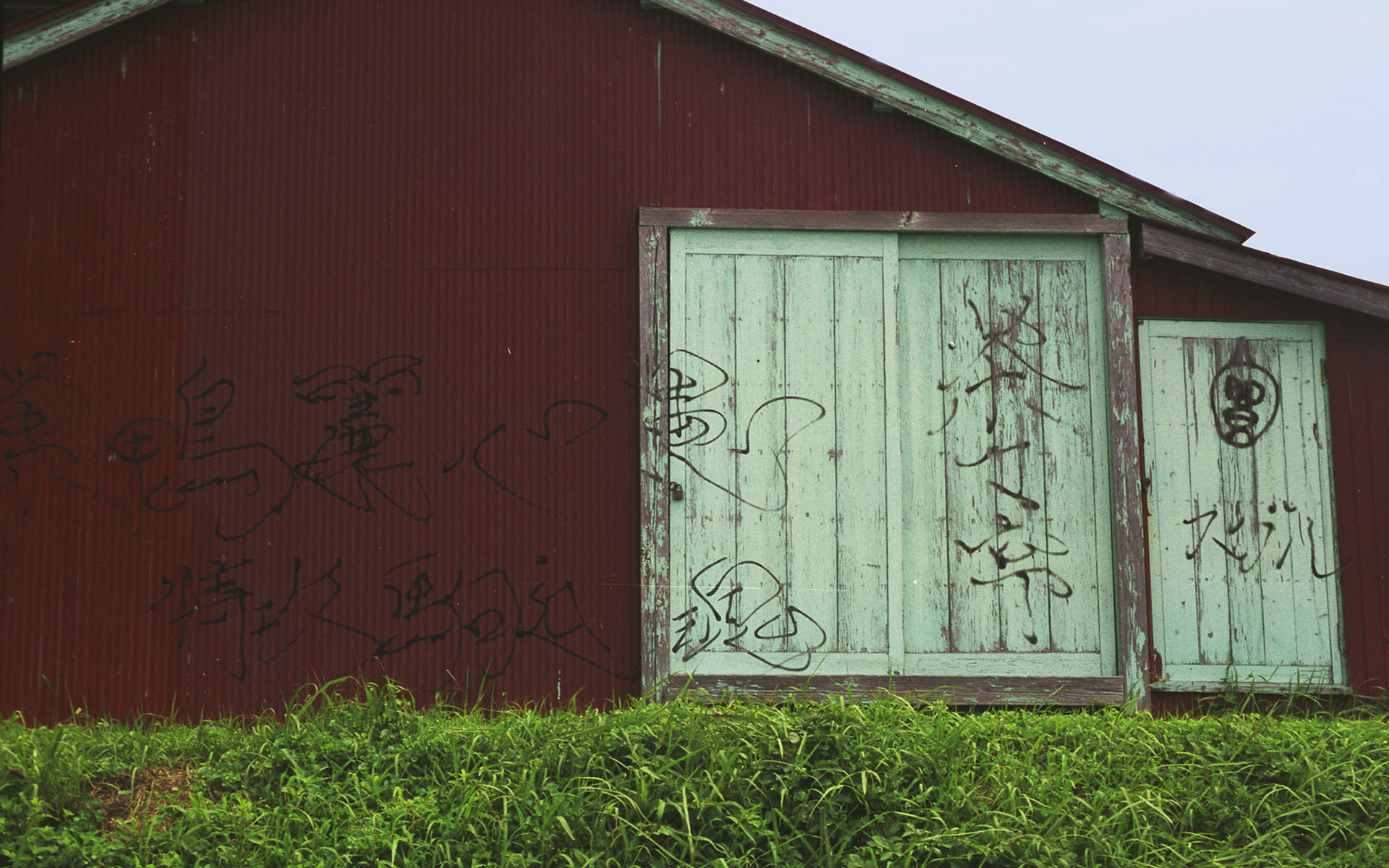
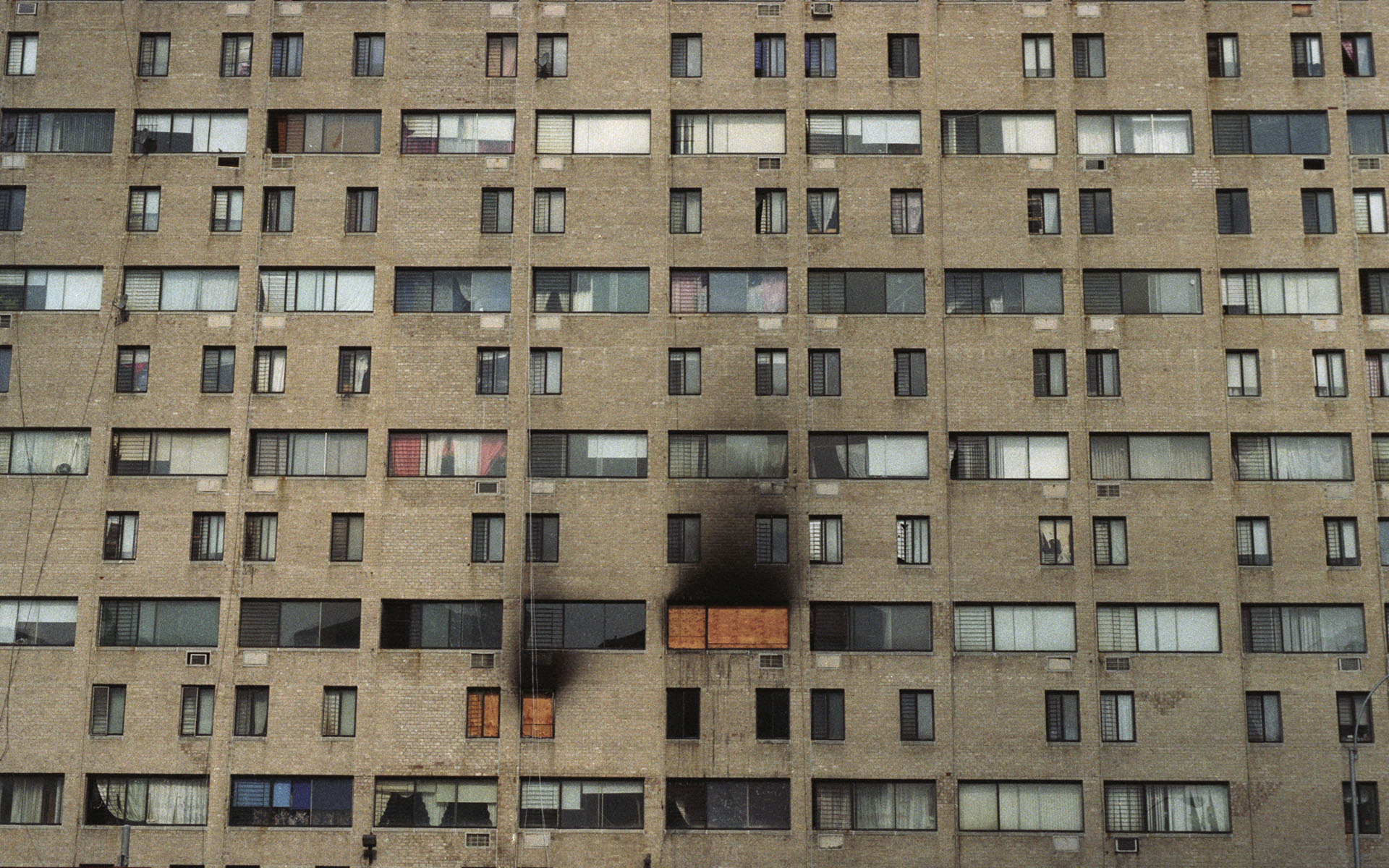
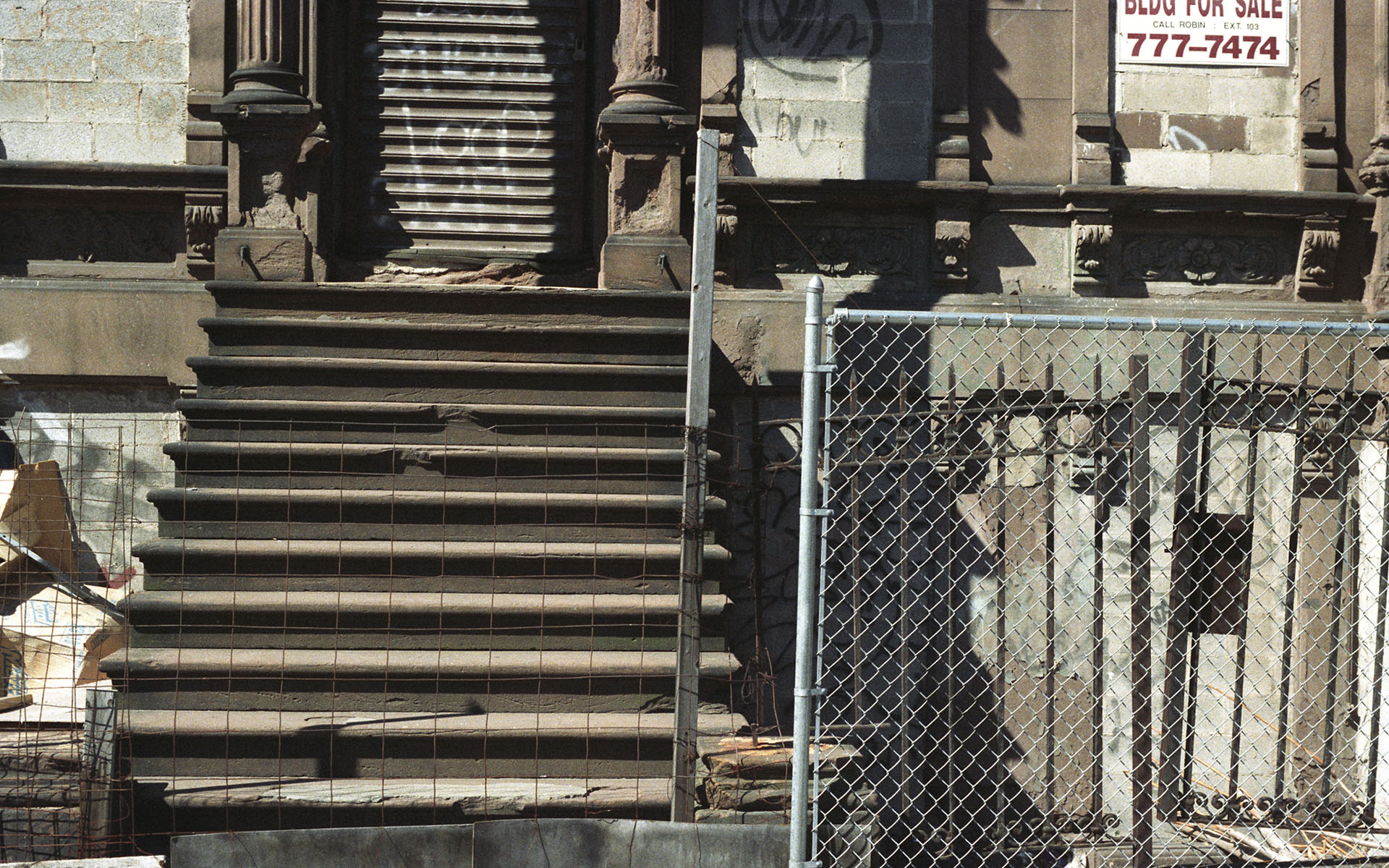
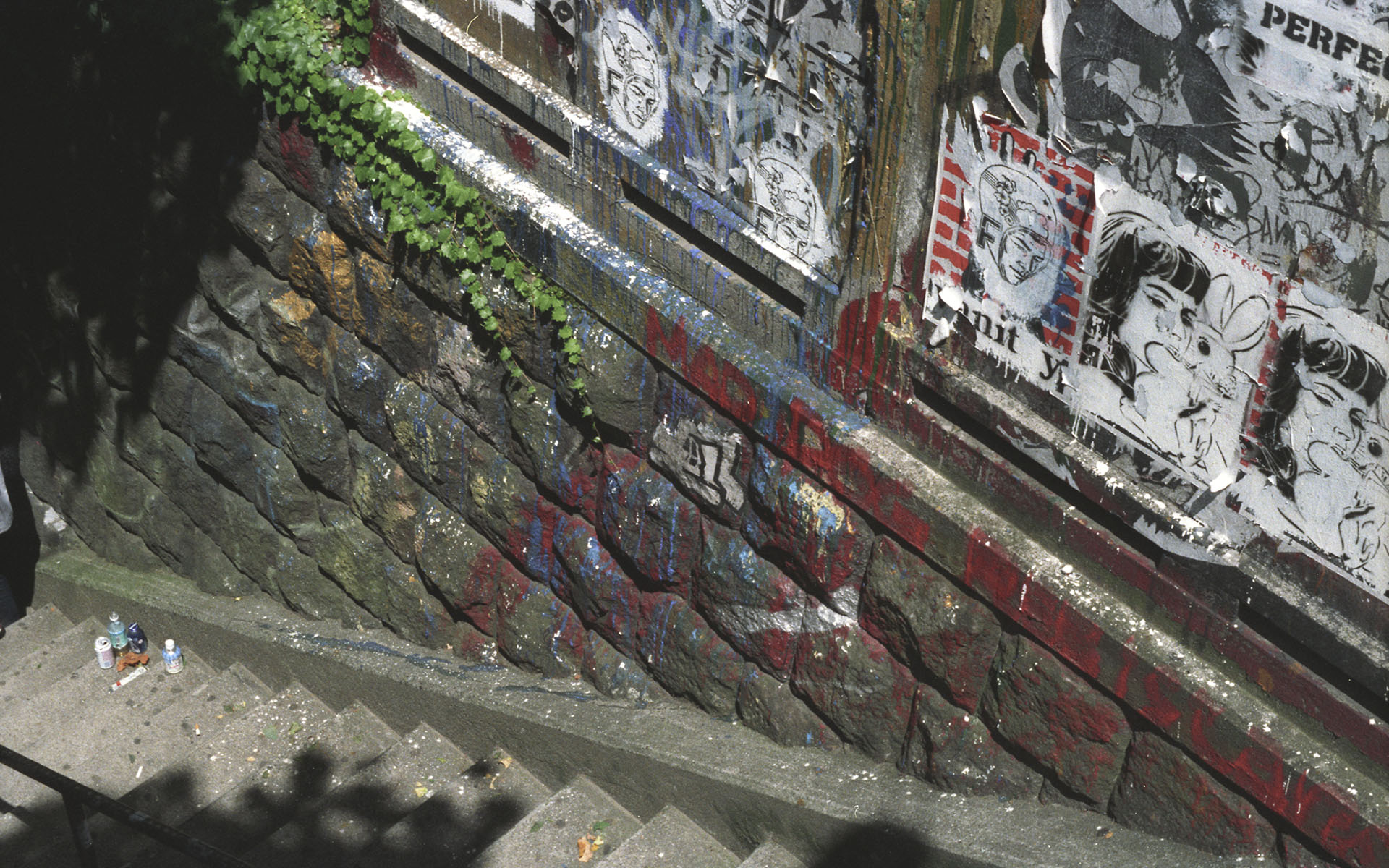
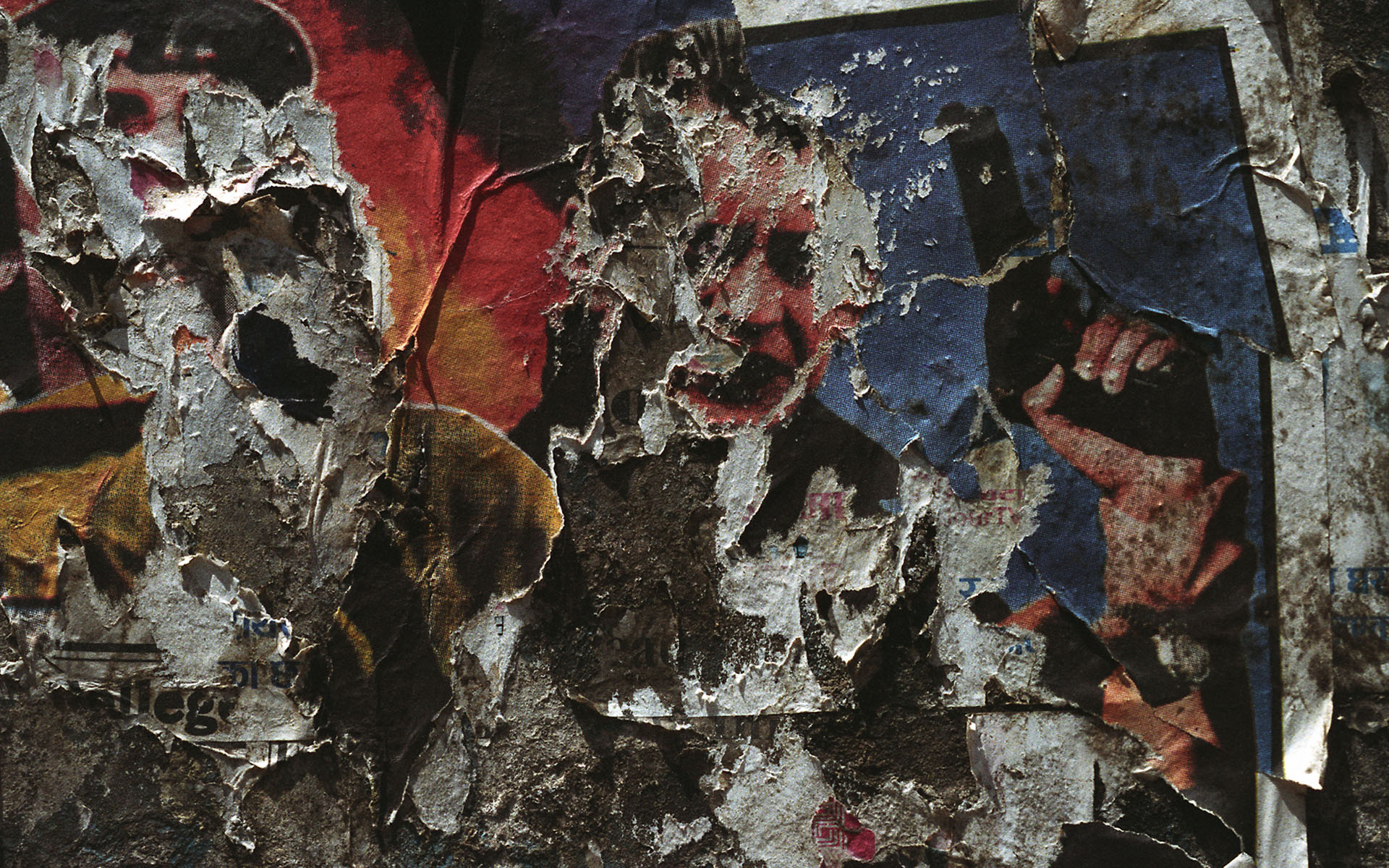
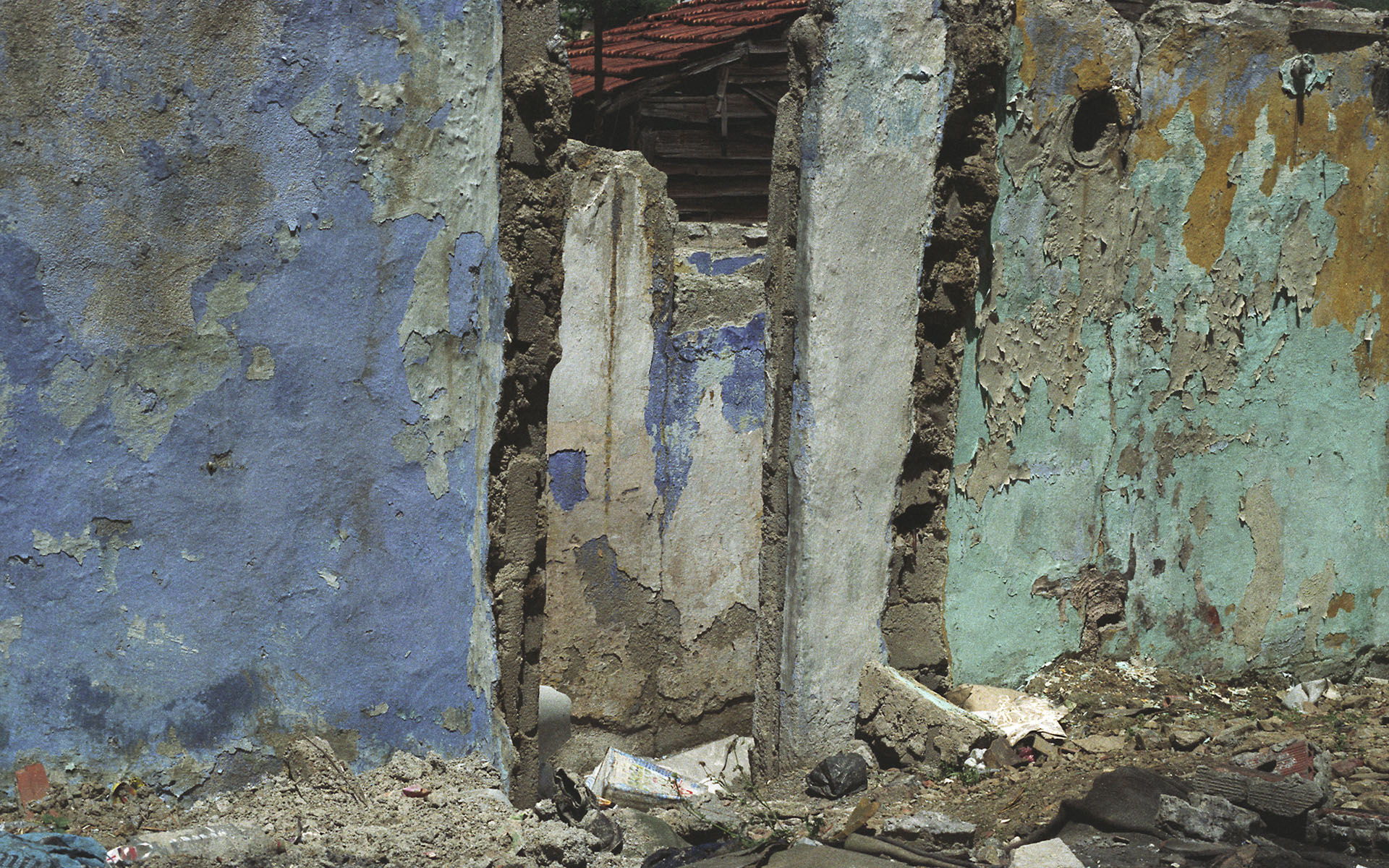
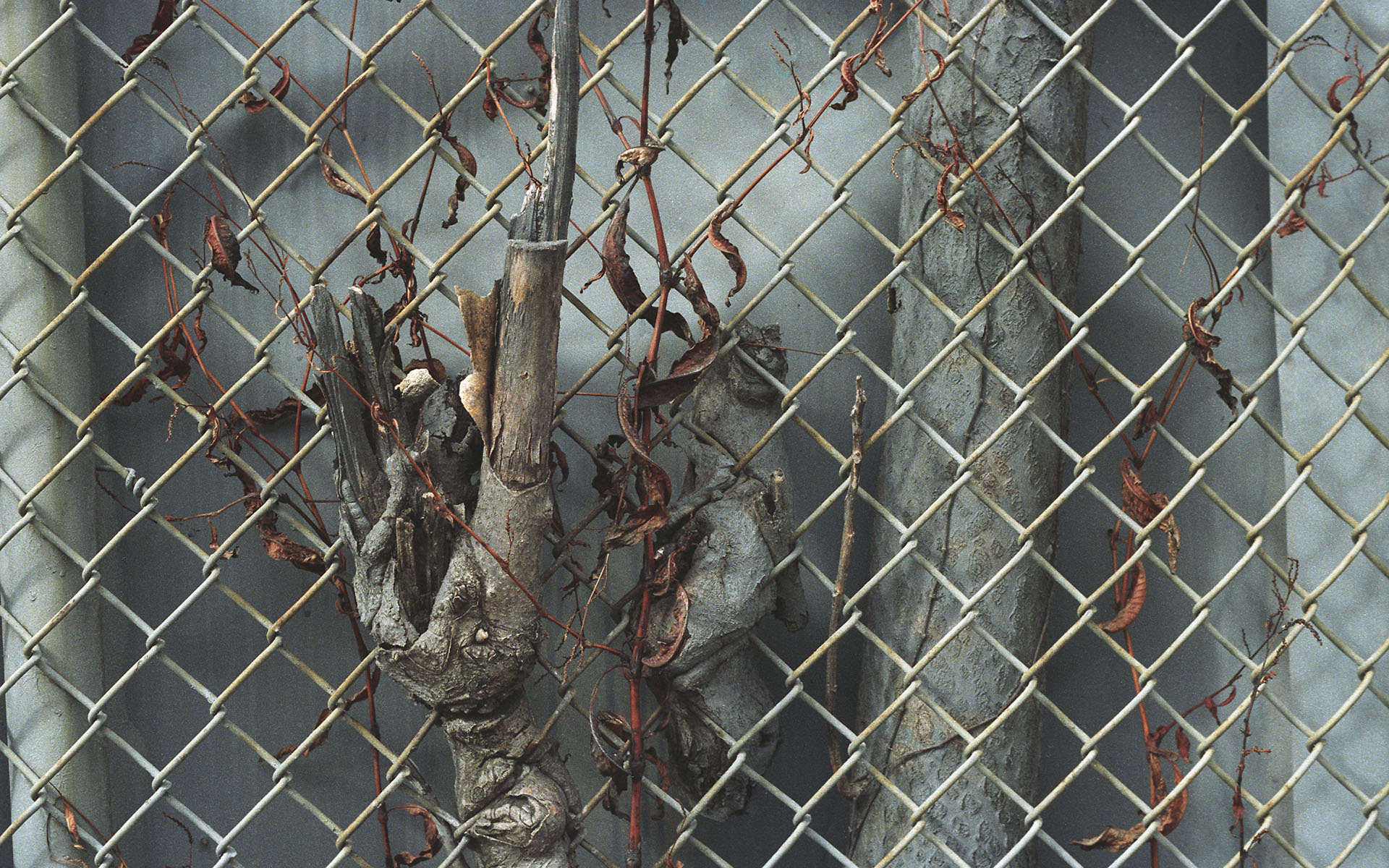
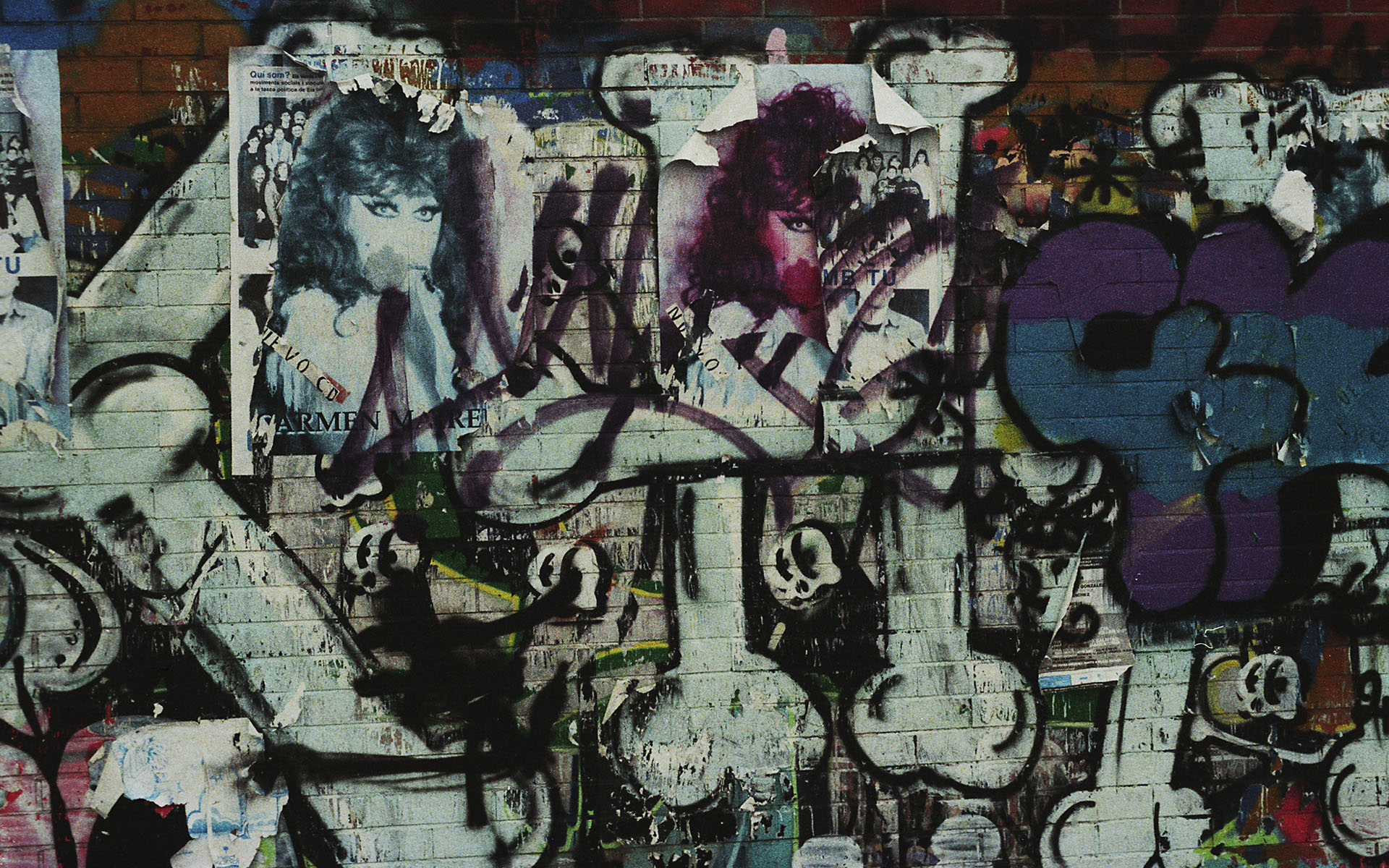
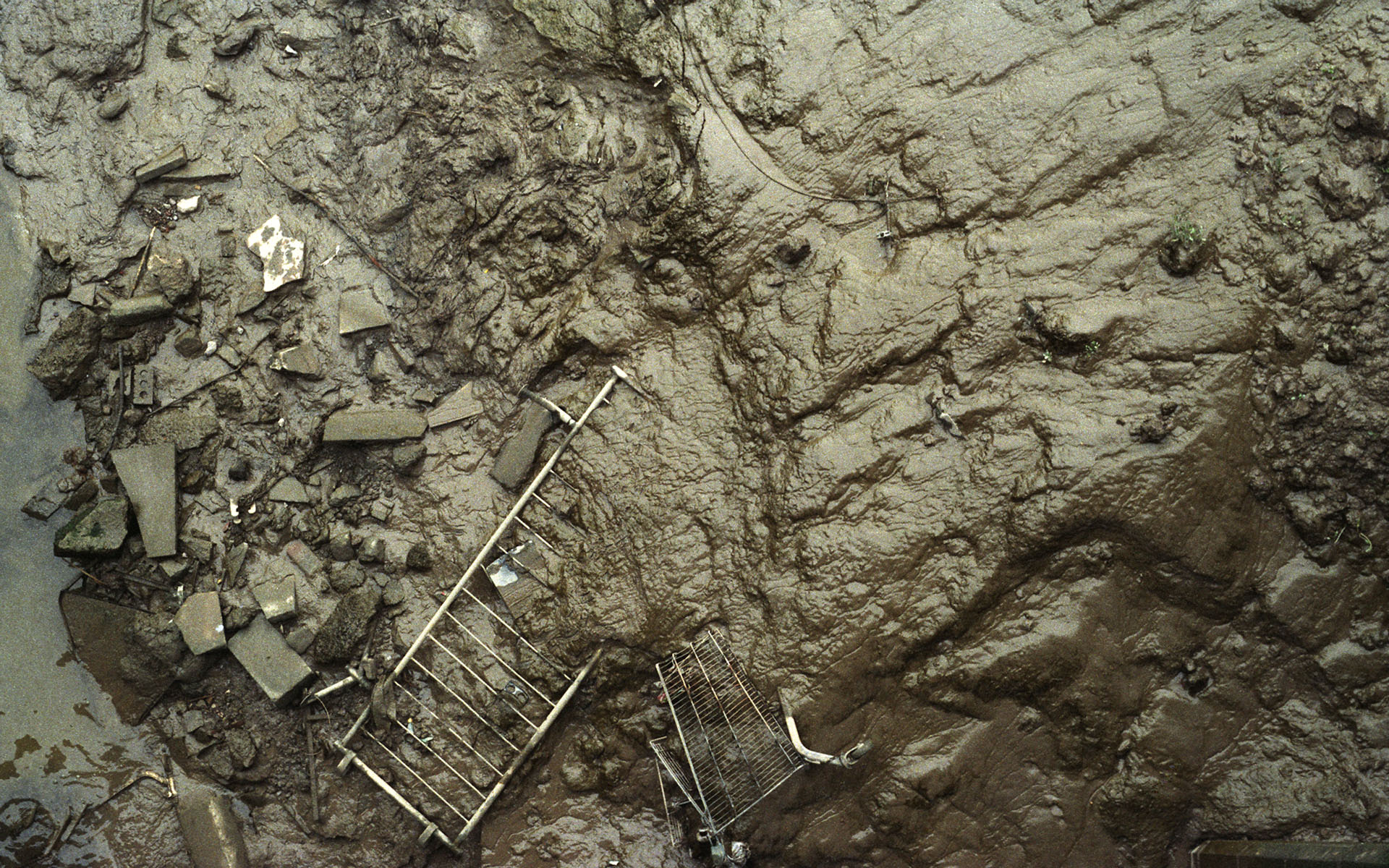
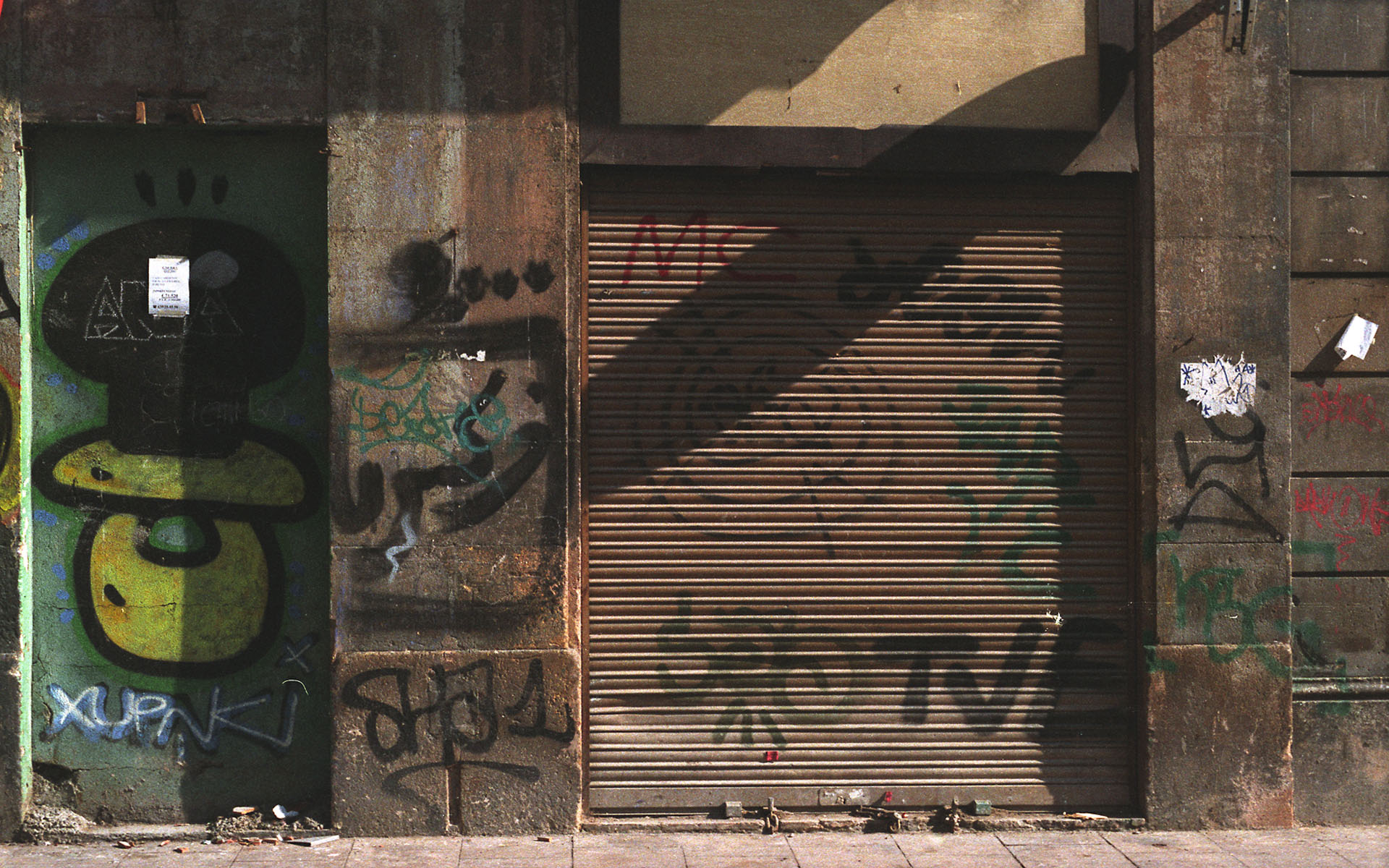
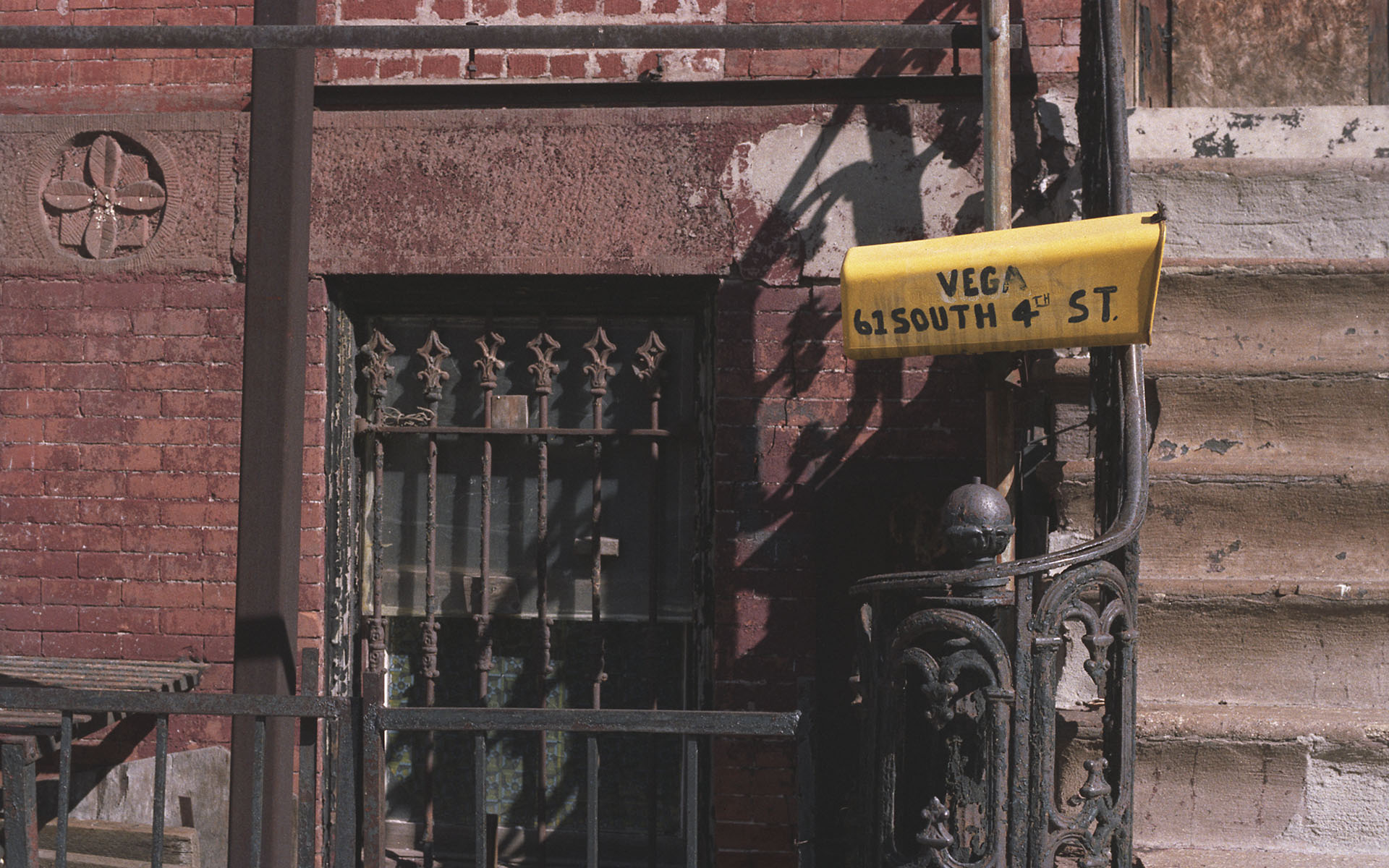
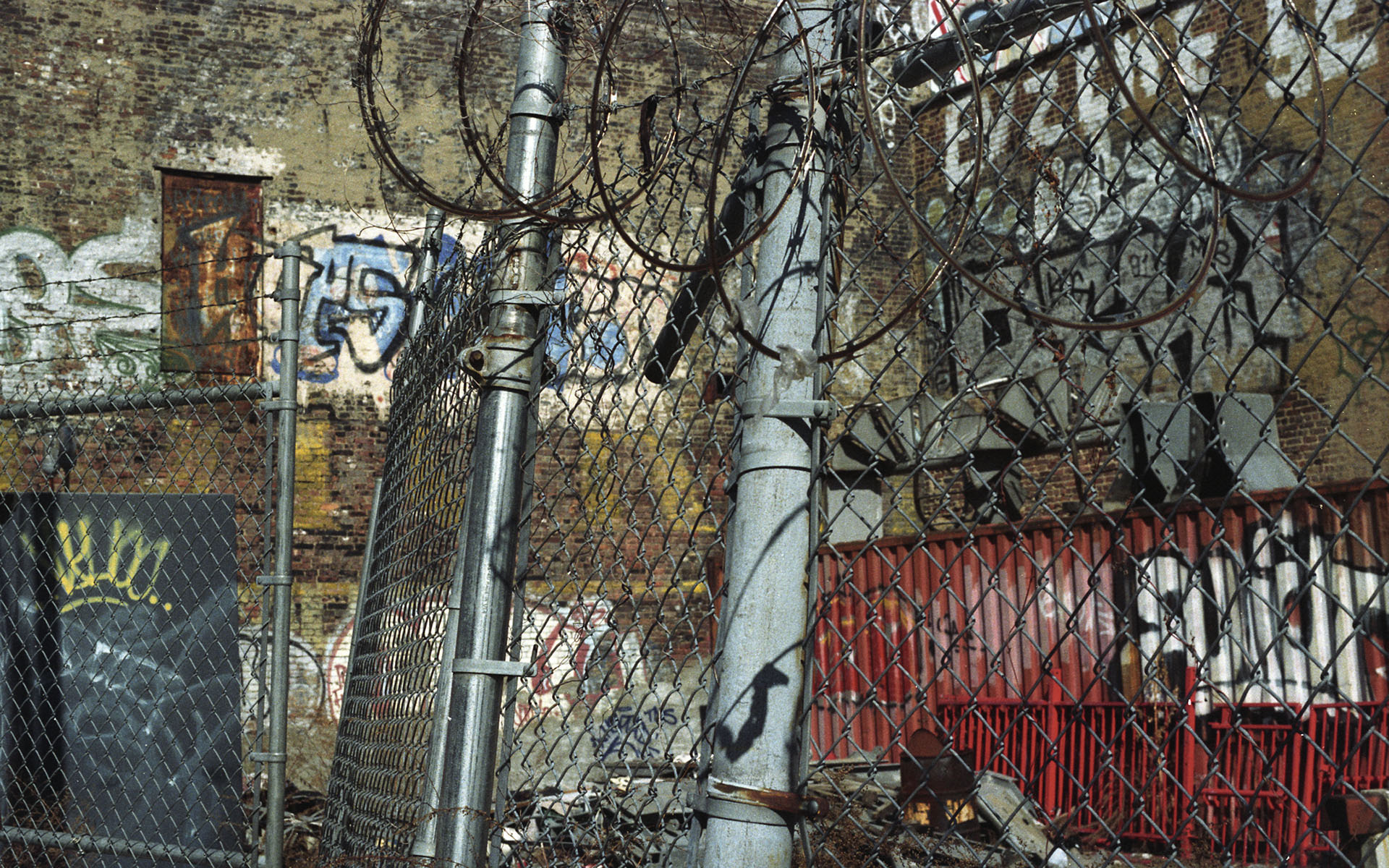
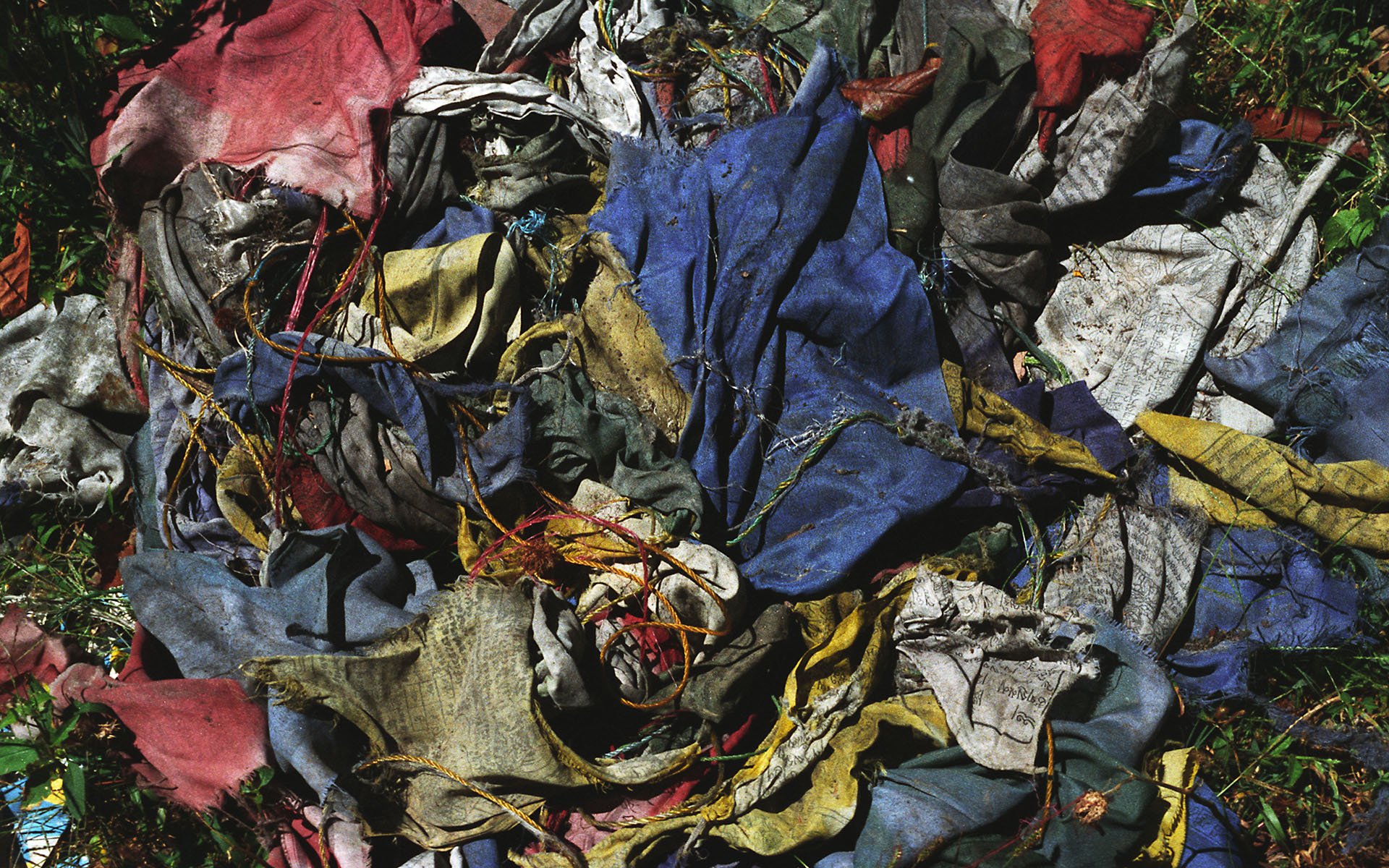
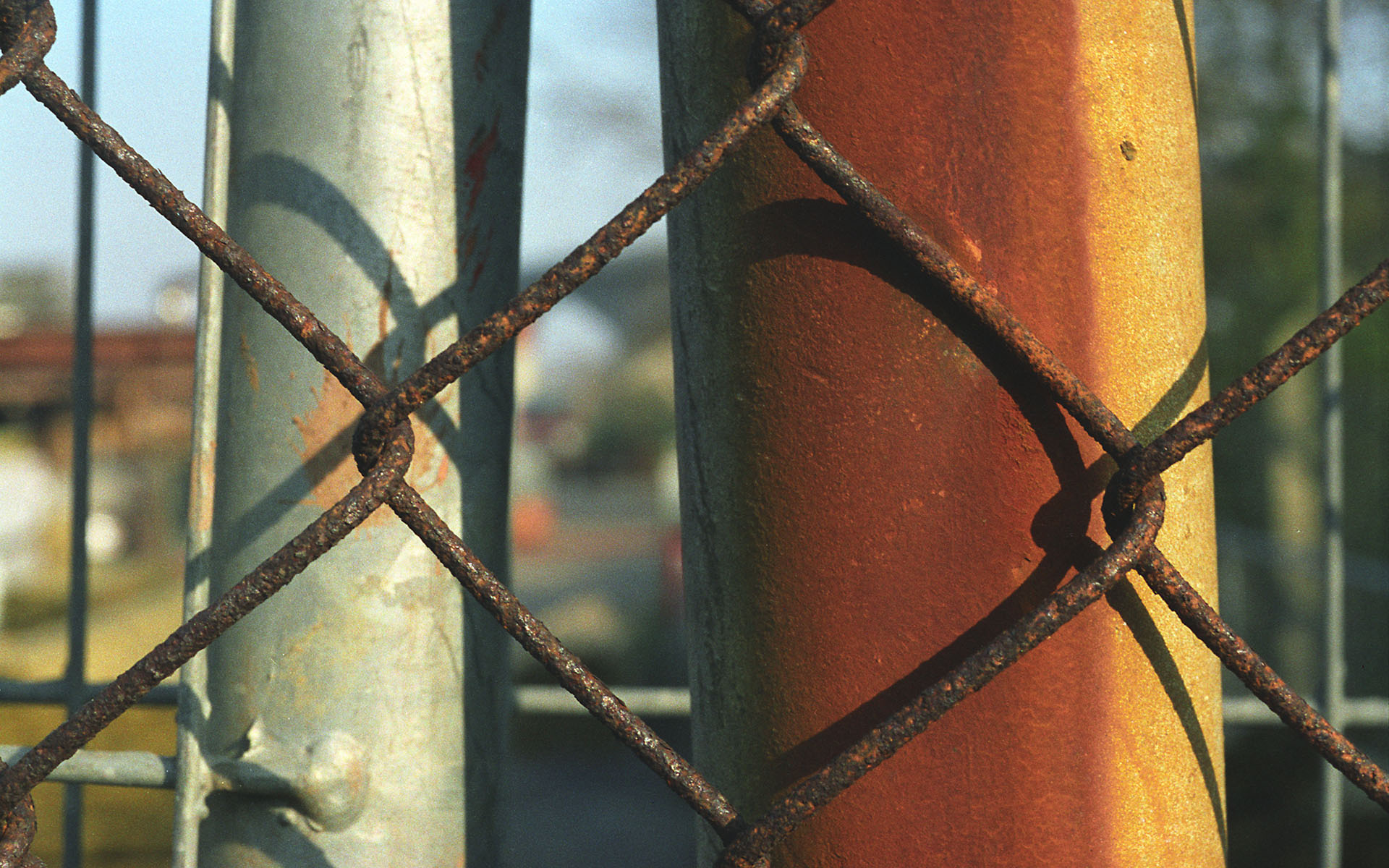
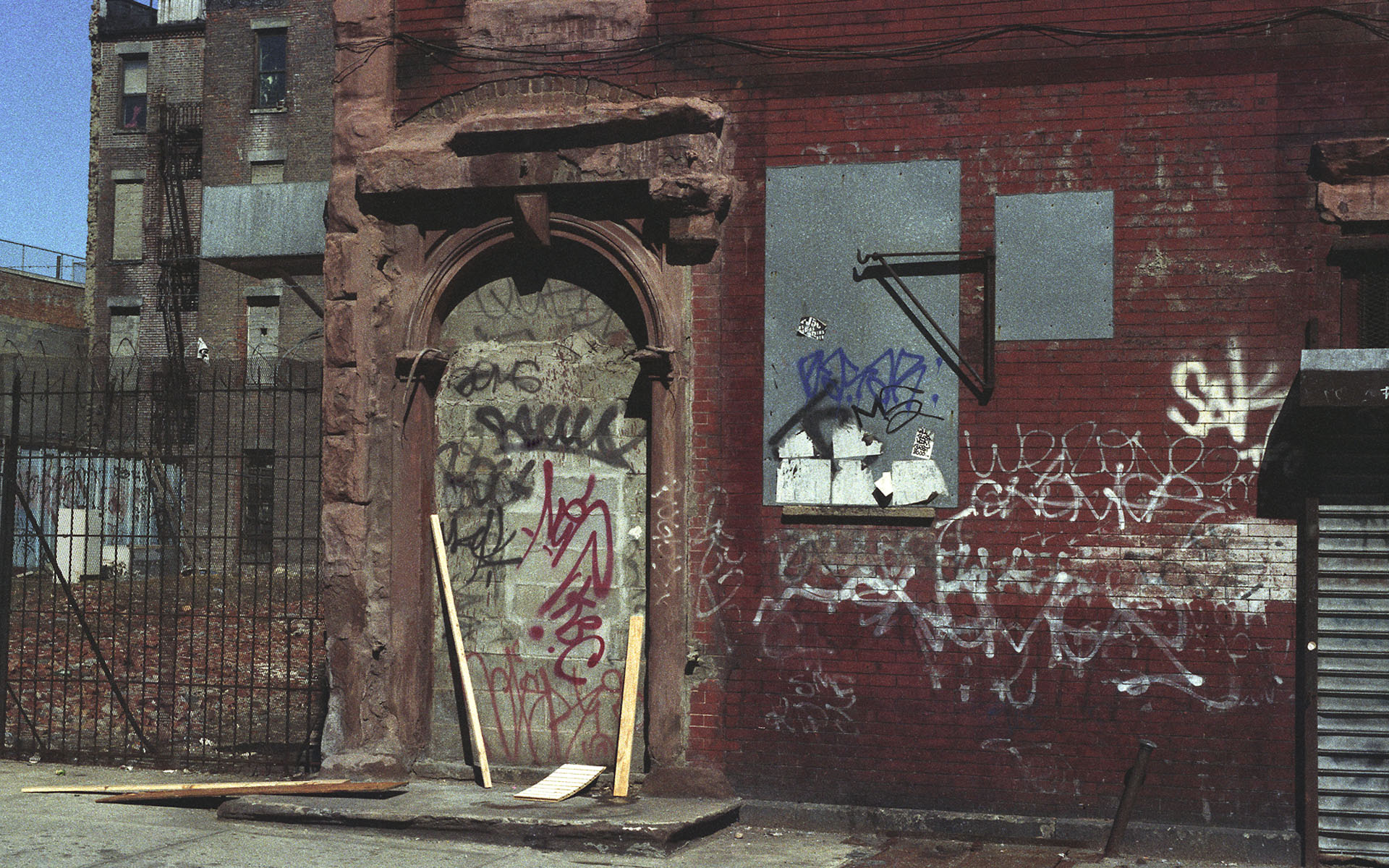
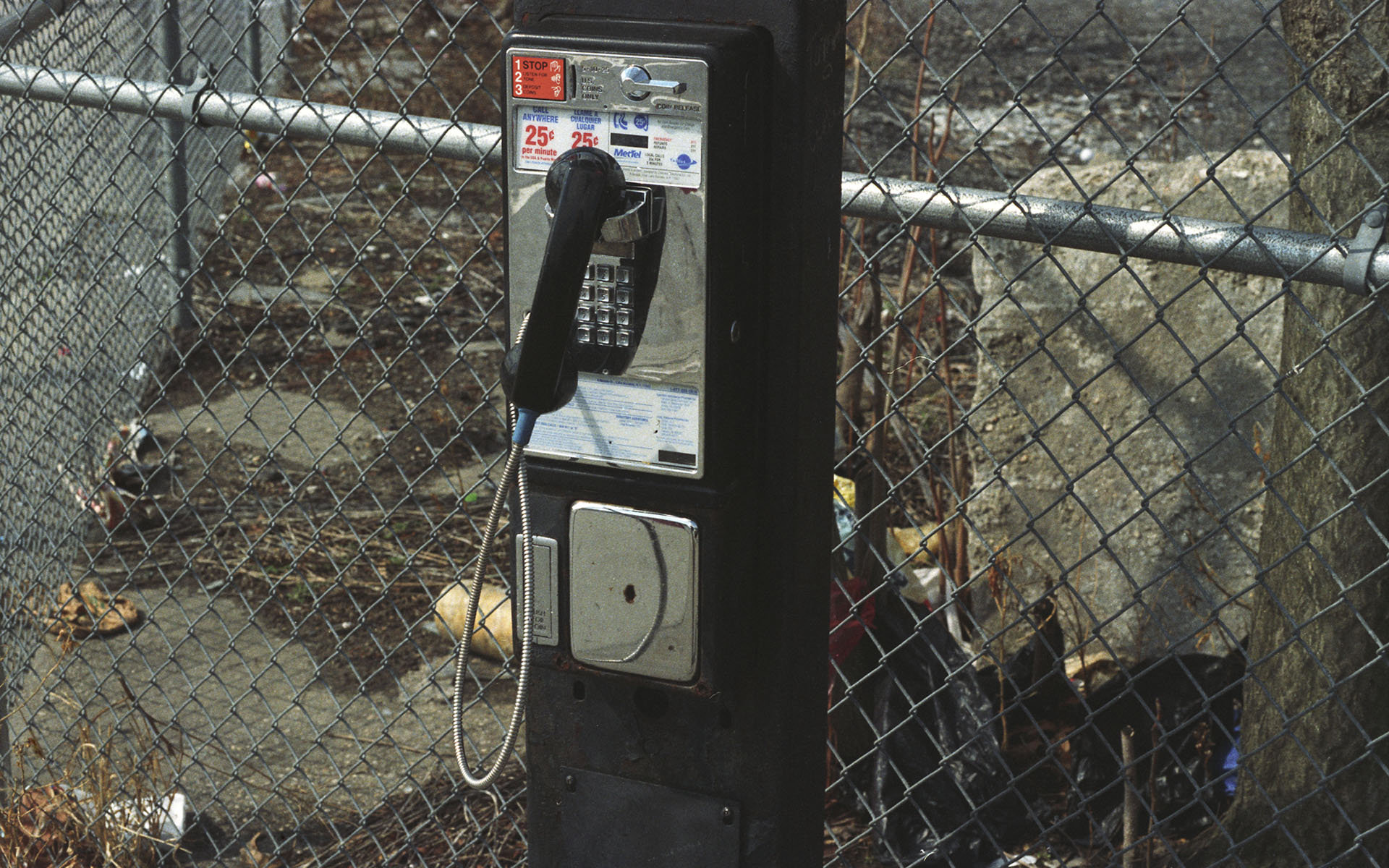
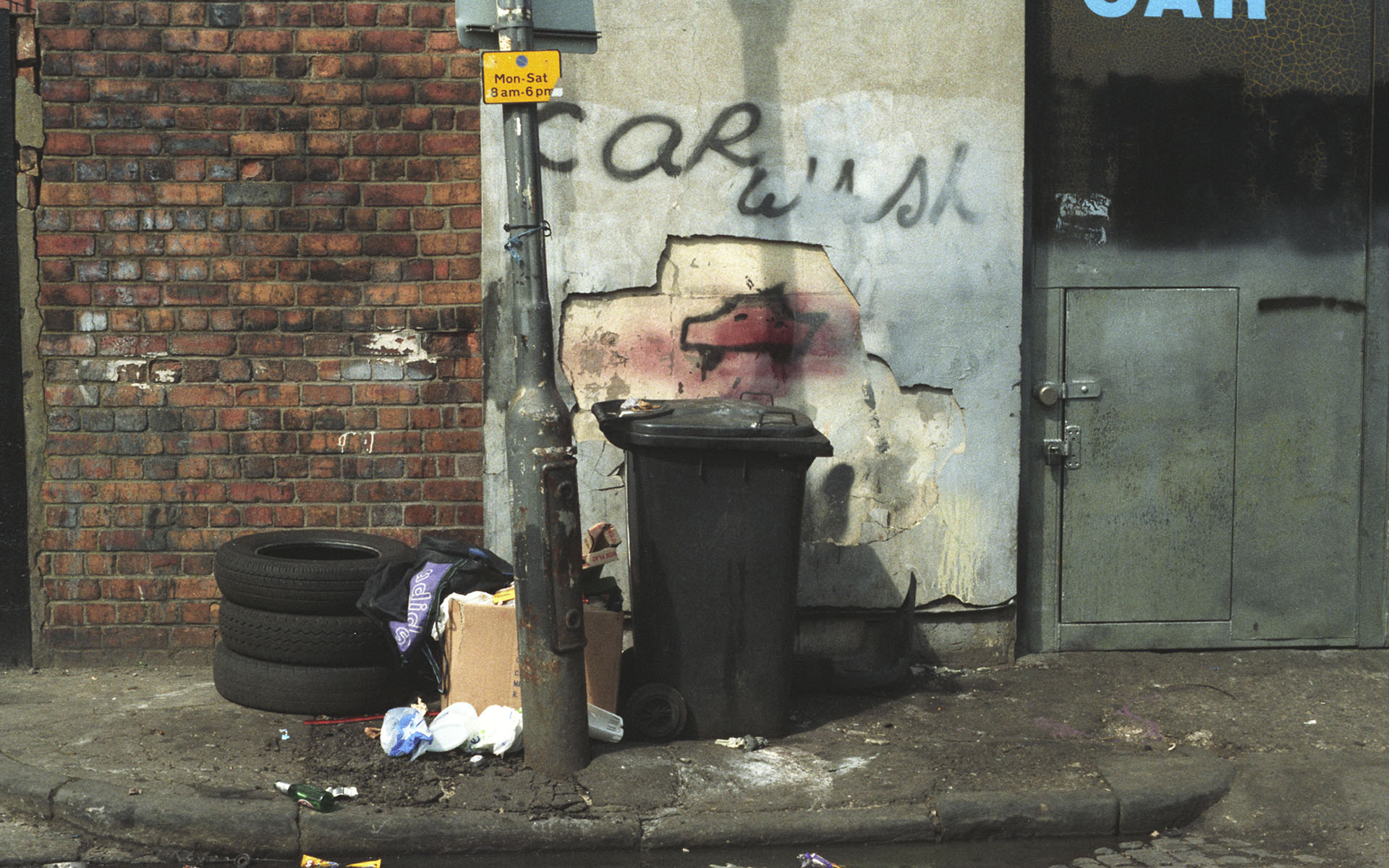
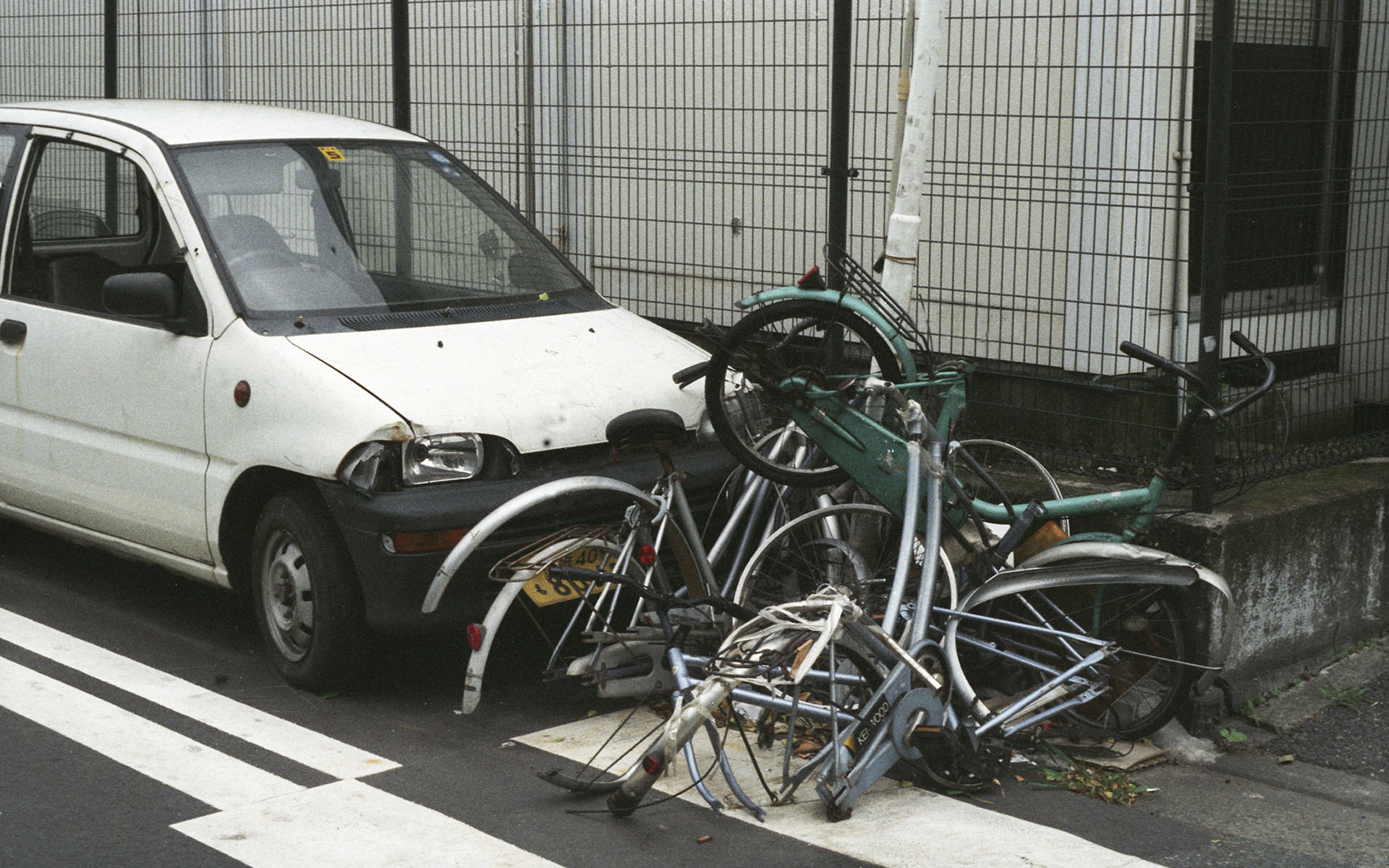
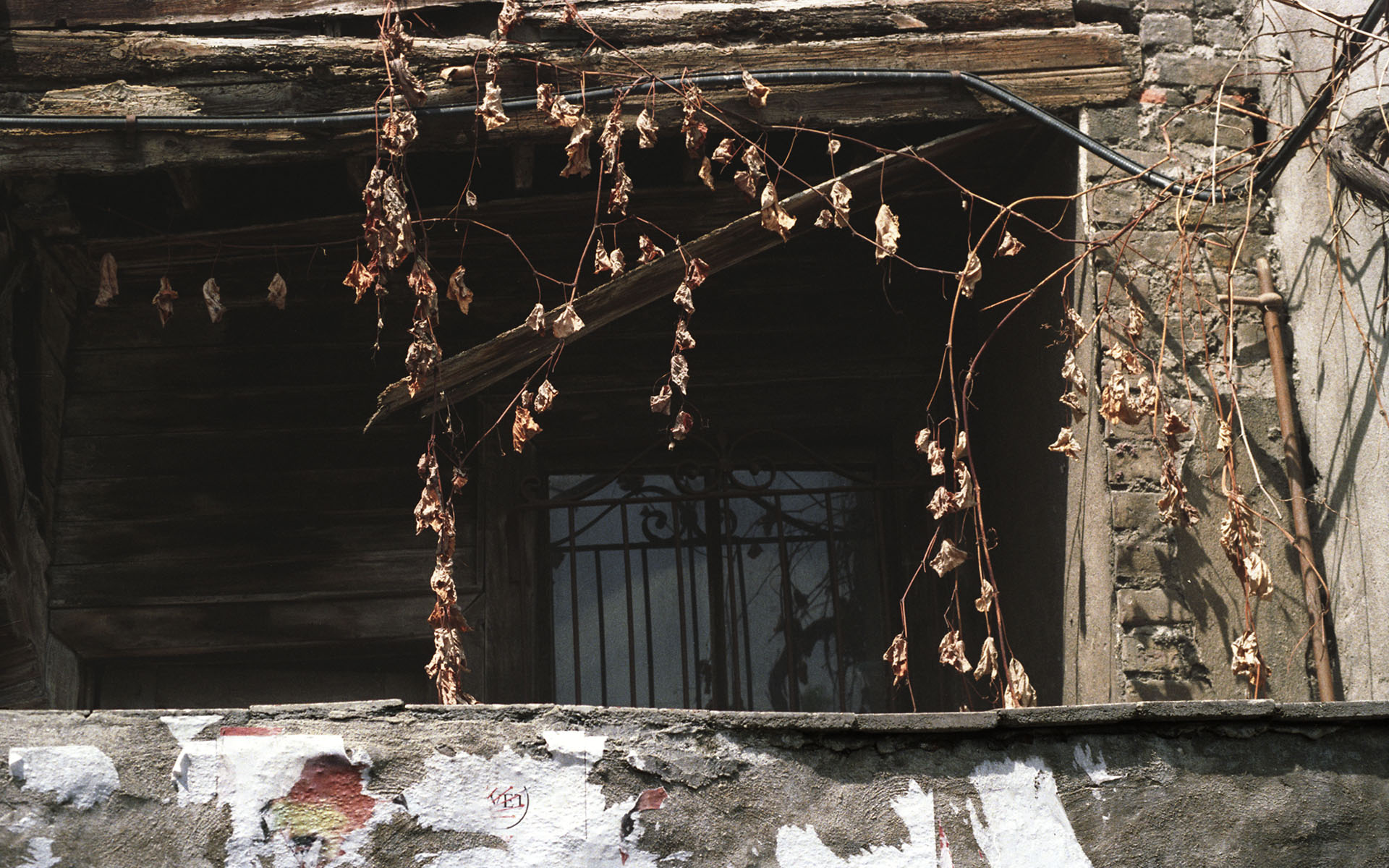
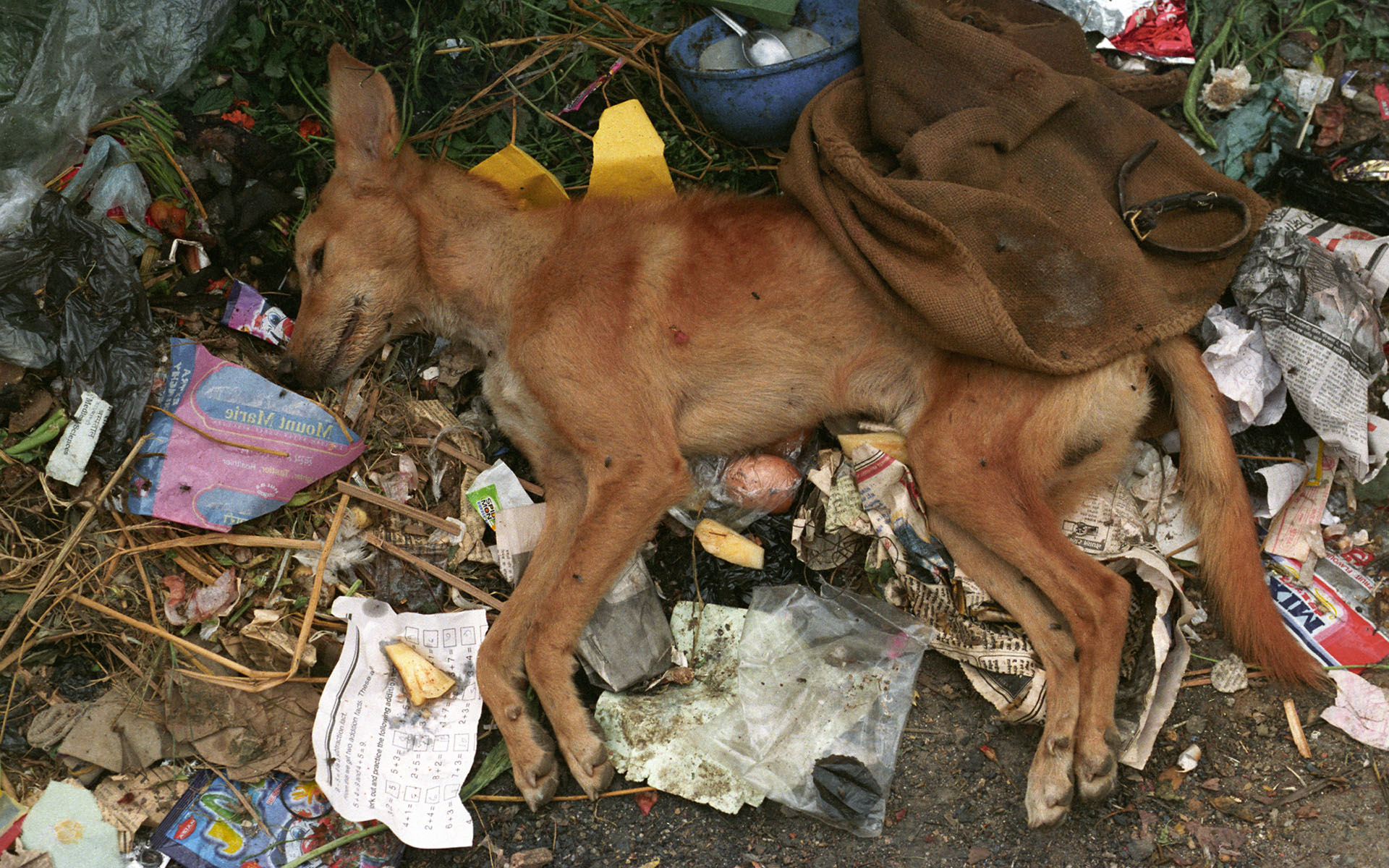
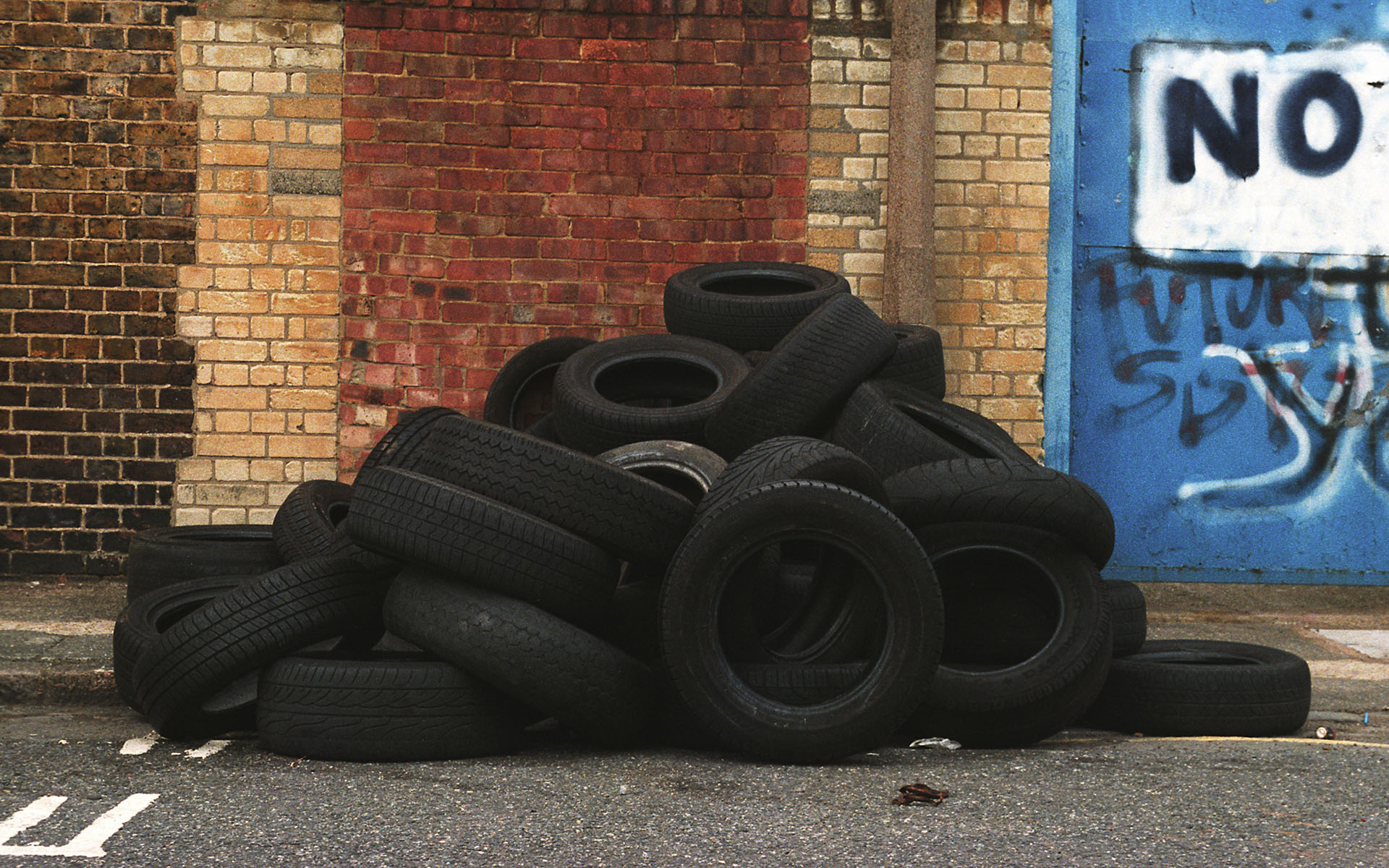
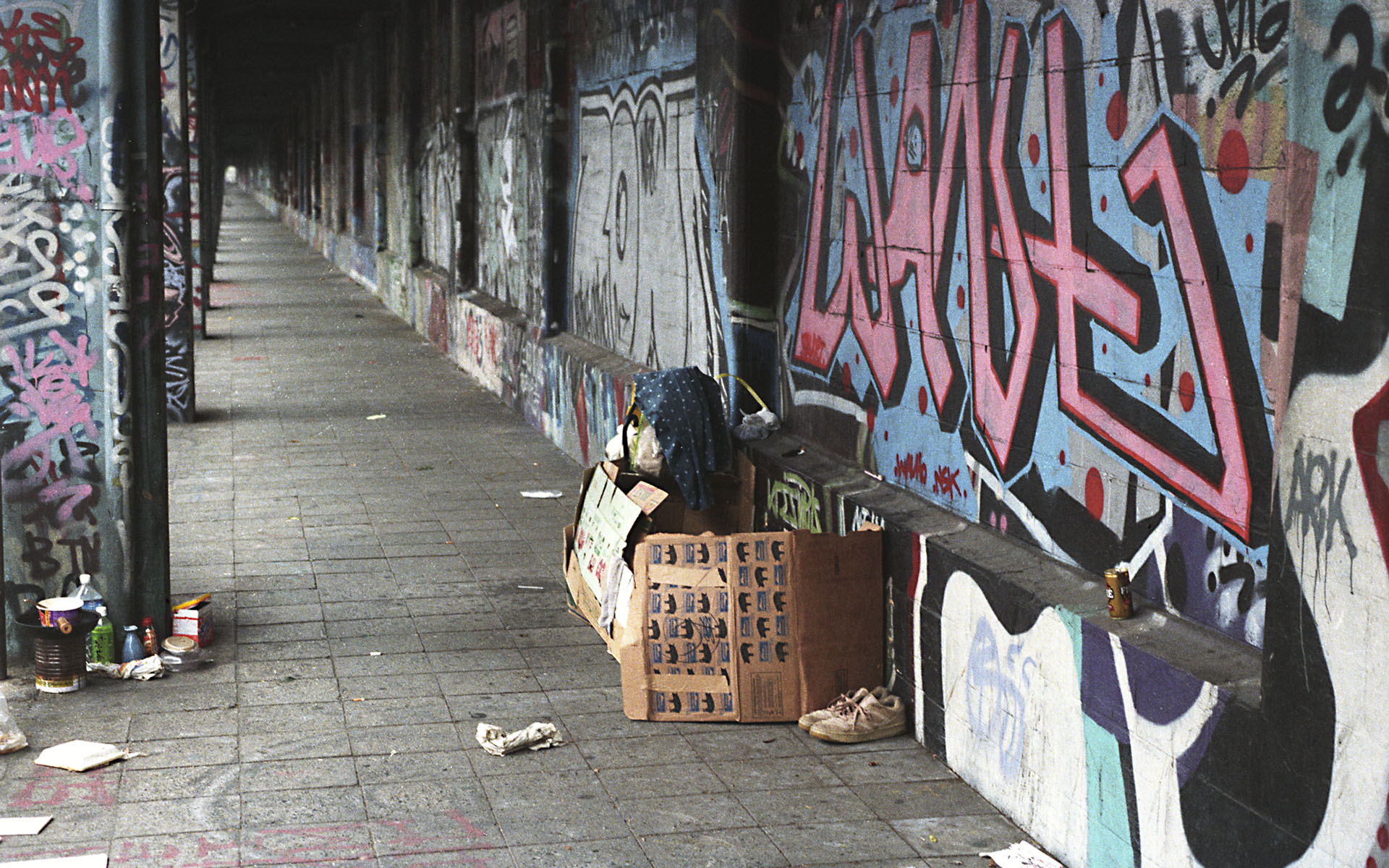
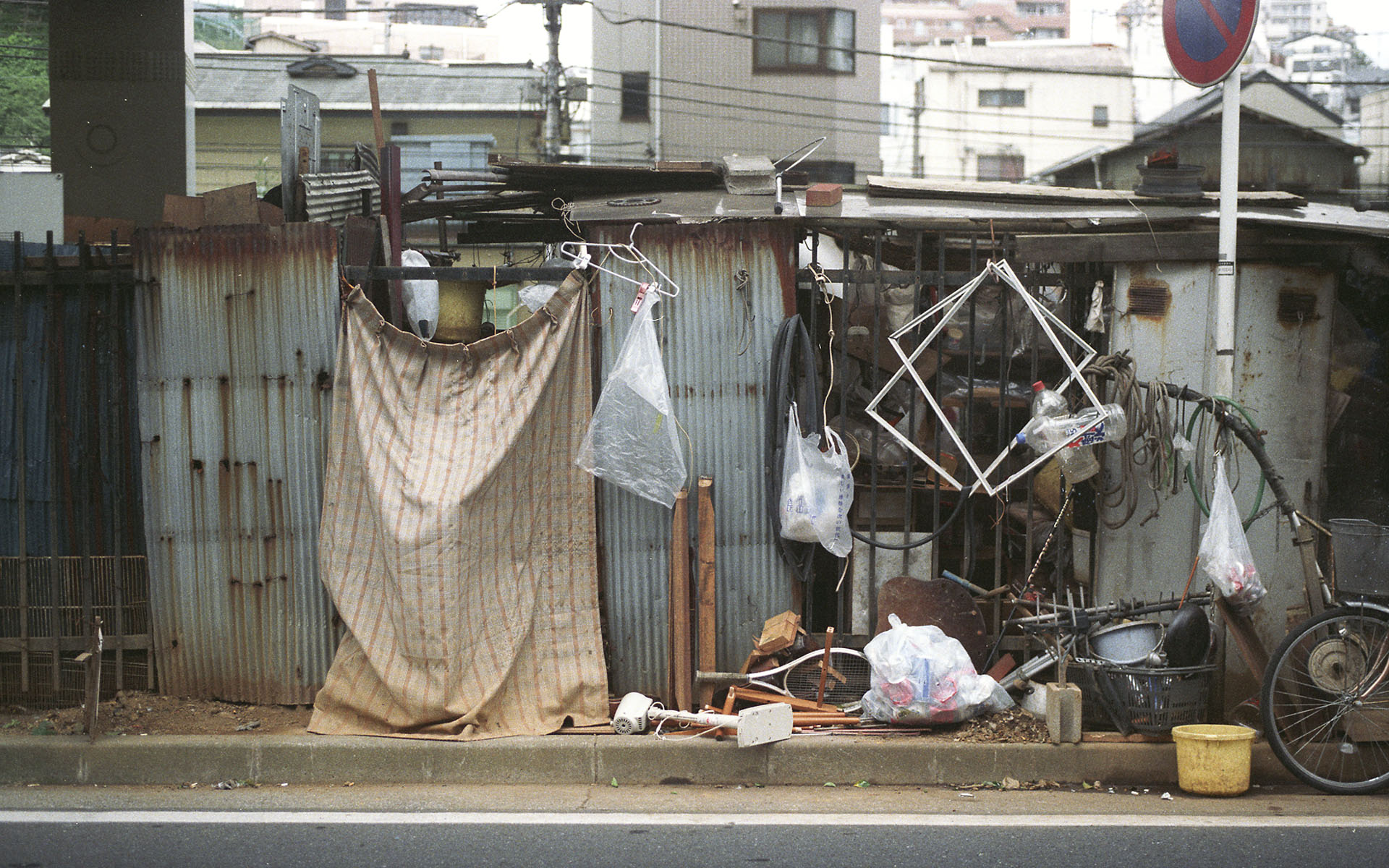
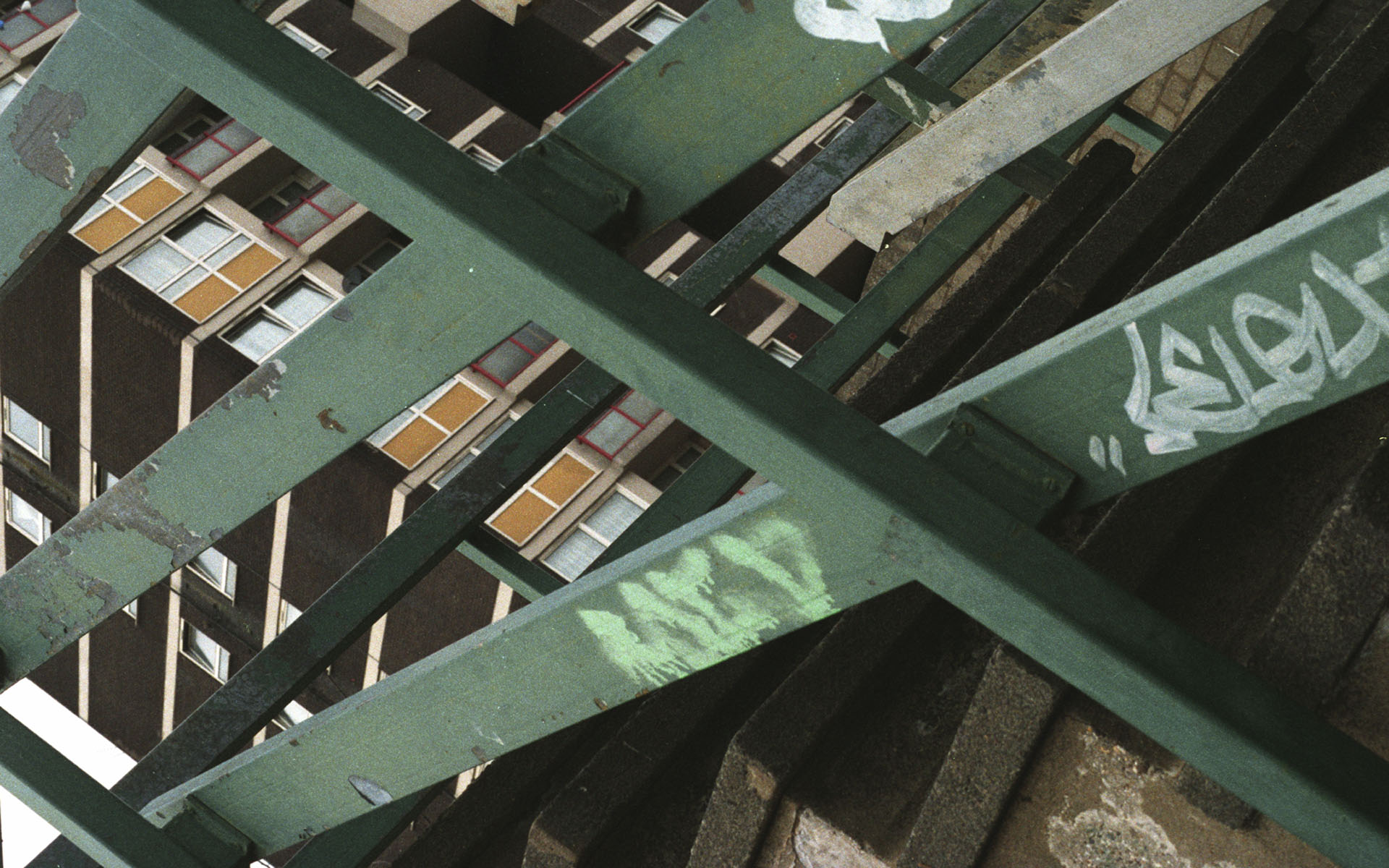
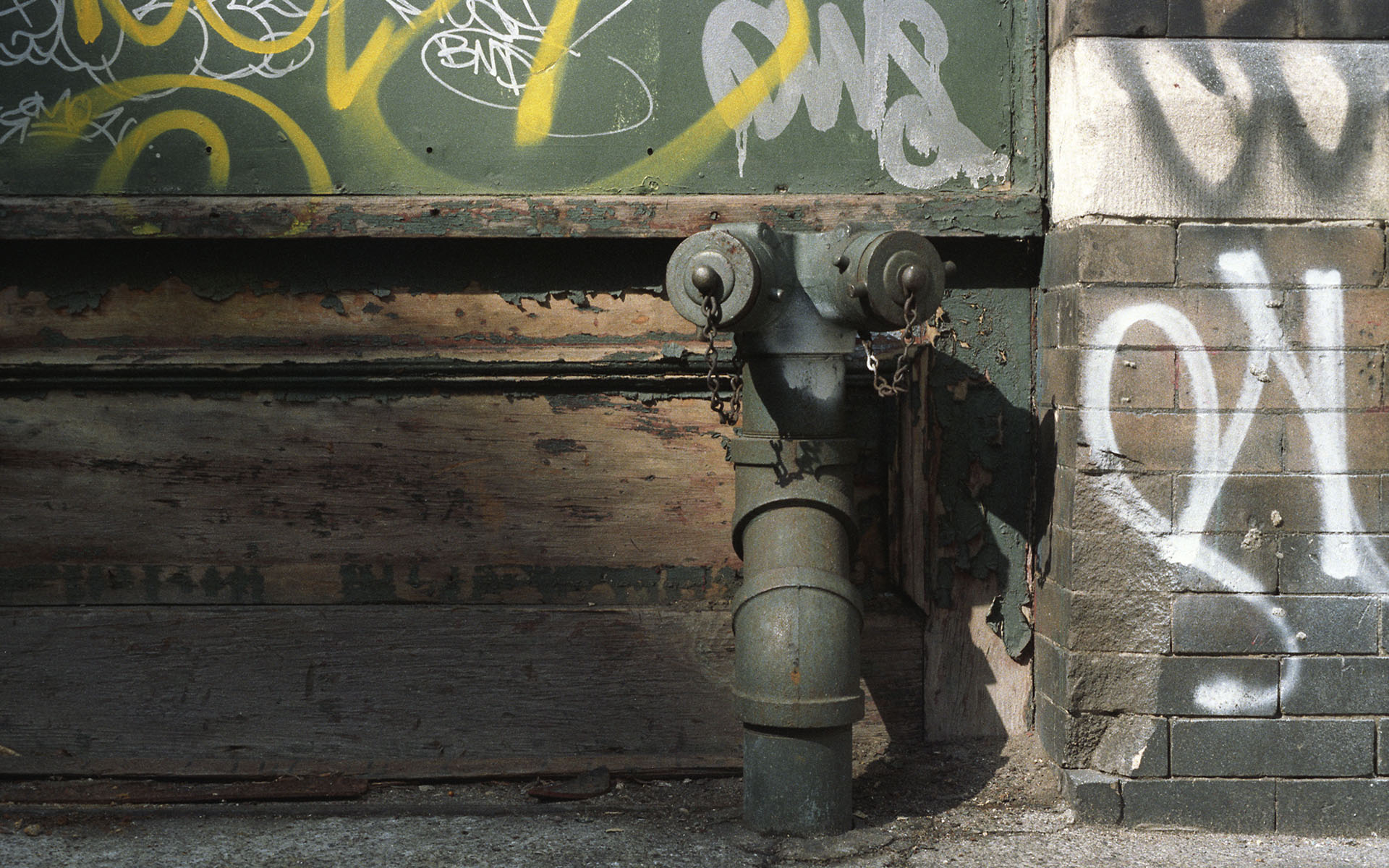
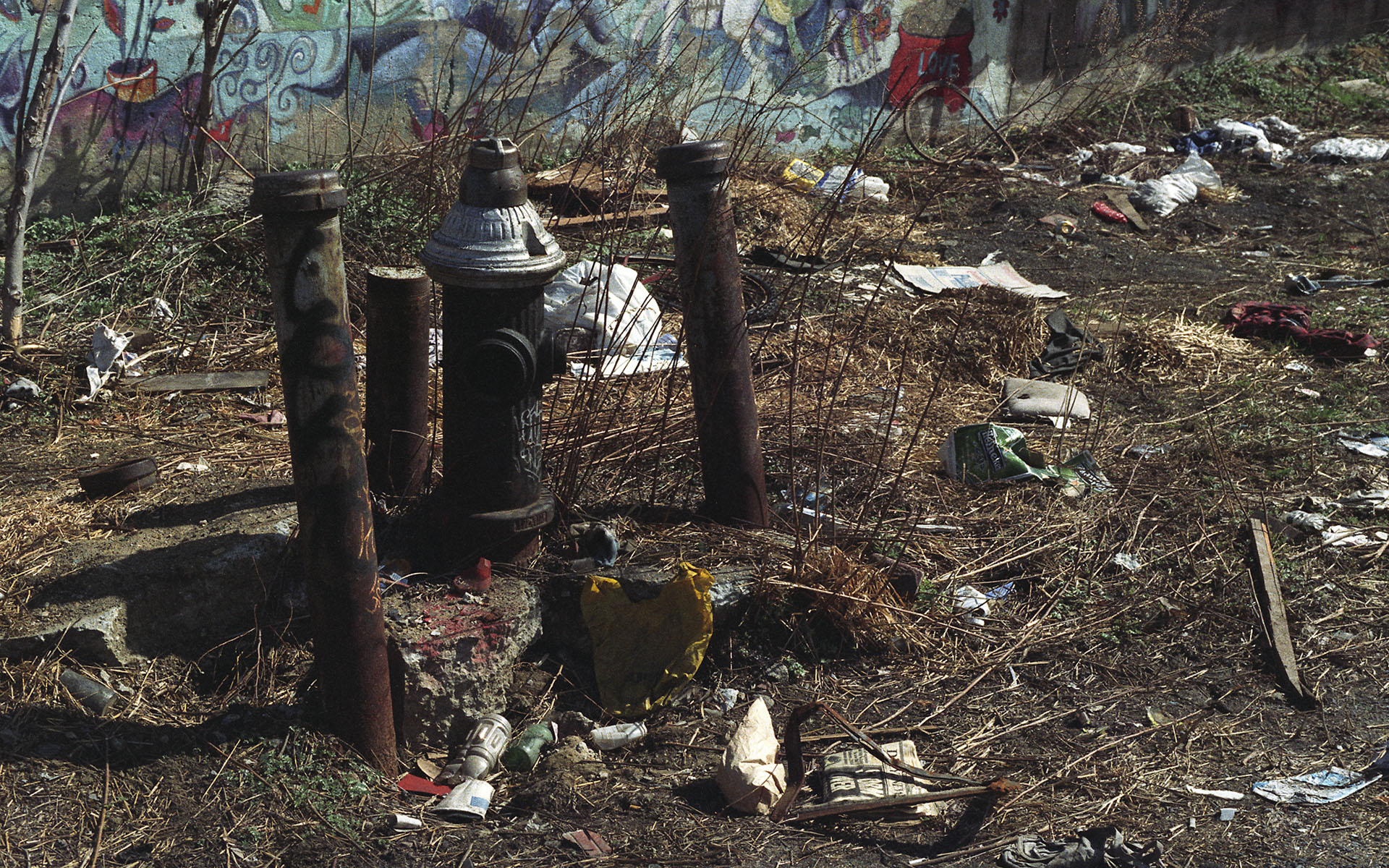
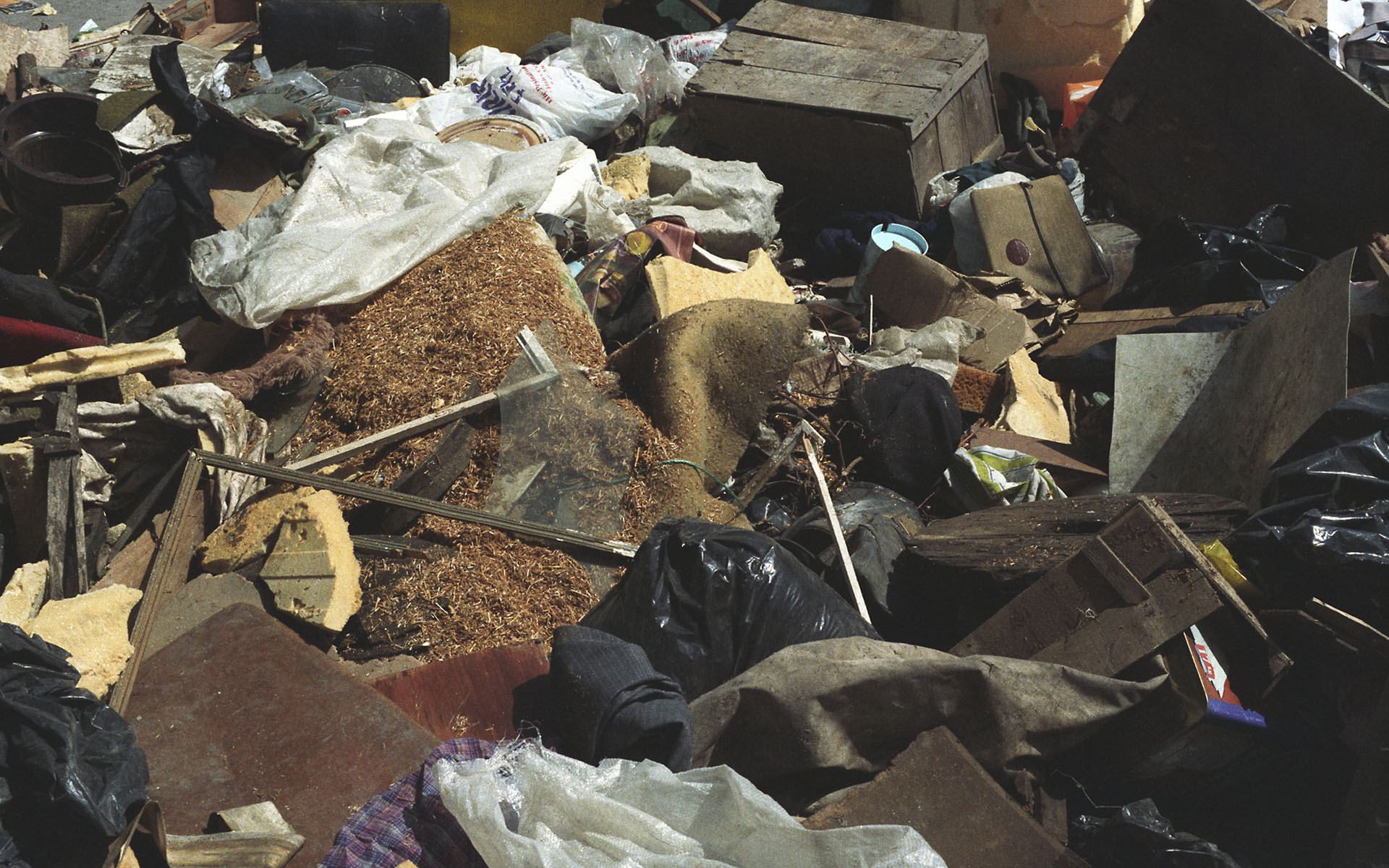
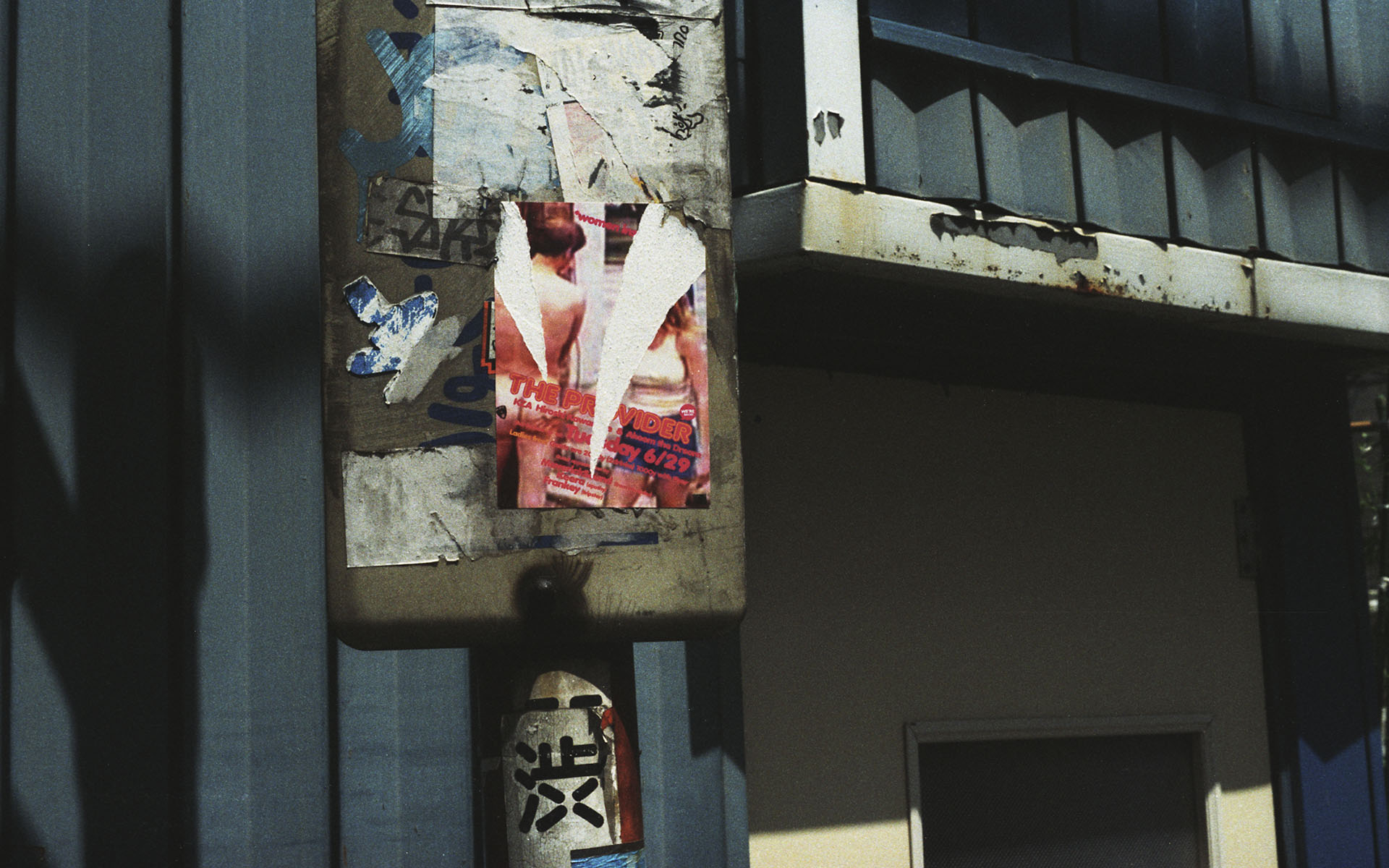
The images themselves mirror this meeting of old and new. They explore the patina of cities around the world, focusing on surfaces marked by time and use. In cities such as Istanbul, expected juxtapositions appear — Ottoman arches alongside worn modern concrete blocks. In places like Tokyo, often imagined as relentlessly contemporary, the work seeks out the edges of modernity, uncovering quieter signs of erosion and impermanence. Across all locations, a single aesthetic thread binds the series: everything decays. This is a global condition, not a local anomaly.
The project was built using Flash, then the dominant platform for rich media on the web. While high-definition online experiences were largely inaccessible outside institutional networks, custom code enabled these works—effectively still images paired with sound—to be downloaded in advance and played seamlessly. Fifty such “mini-movies” form the complete work.
A crucial element of the experience is that these pieces are presented in a randomised order. Sequence shapes meaning, and by allowing the order to shift with each viewing, Cracked Cities ensures that no single reading is fixed. Each encounter becomes slightly different, encouraging renewed attention to how context alters perception.
The work toured internationally and featured in numerous digital art festivals.
Below is a combined film composed of the 50 short clips that make up the work. It is a linear representation of the project because the Flash software that enabled the piece’s full immersive potential is no longer supported by modern browsers.
The images incorporated into the work were all shot on 35mm film using a 1960s Nikkormat and a 55mm lens, and focused on marginal spaces in New York City, Tokyo, Barcelona, Istanbul, Kathmandu, and London.